As we drift on the unending ebb and flow of the season’s comings and goings, the high tide of winter slowly retreats back into the depths from which it seeped, and a hesitant spring, lifts one eye over the horizon and glints the shores with sparks of newness.
At this time, we may be forgiven for overlooking the amount of colour in our surroundings, on first appearance the scene is grey, brown, and bleak, but emerging through the monotones are the gently surfacing colours of the approaching season, dusting deeper hues into the sepia tones.
 The birch has a distinctive reddish brown that pops against the winter landscape. The willow’s newest grown withies glow bright oranges and yellow. Alder too has a unique palette; its bark is green and blue with lichen, its closed buds dusty lavender, and its abundantly hung treasures a deep maroon. All fall perfectly into complement with their wet footed neighbours and the backdrop of green waterlogged fields, brown reeds, and brooding skies.
Upon dry ground, elder sprouts the earliest foliage with partially opened pinnate leaves exposed early to make the most of the sparse light. The limes drip a blood red into their buds and branches and from a distance appear to blush at the coyly approaching spring. The occasional oak and beech, despite the storms, still carry their dry brown leaves, while next year’s buds of beech appear like silvery feathers, cocooned in their exposed position by a delicate white fur which serves to protect the developing leaves from the bite of frost.
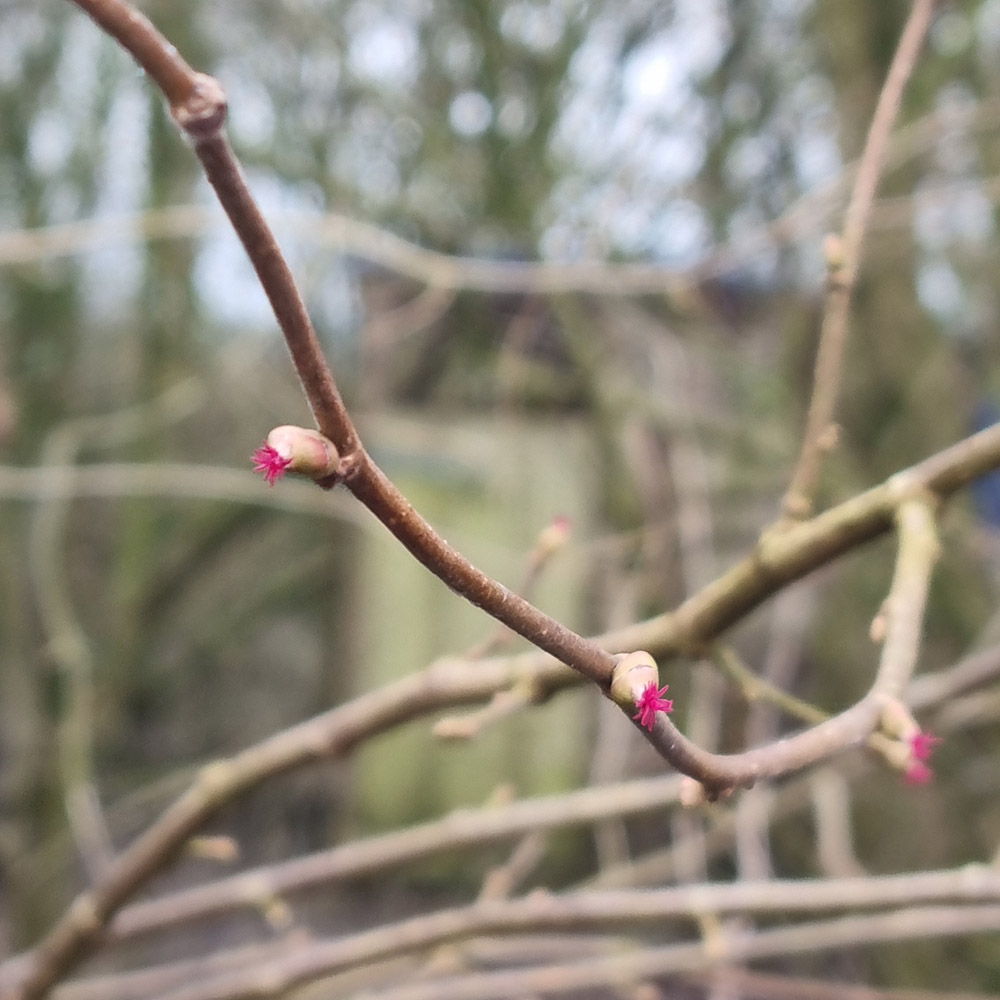
Hazel’s catkins, the pale-yellow-pollen-flinging-dangly-bits that resemble lamb tails, might be the most noticeable colourings at this time. Hazel’s early flowers employ the power of wind in the dispersal of their reproductive dust. Having no need to wait for the aid of insects in their sexual exchanges, they make the most of deep winter’s windy days and an absence of leaves to most efficiently toss about their bright yellow love.
Hazel pollen must be dry and dusty to take flight, for that reason the hazel folk wait for dry days to extend their catkin’s length, exposing hundreds of male flowers and releasing drifts of pollen upon the brisk wind rivers that snake through these days. Billions of grains float in mid-air on a journey through space to meet their desired counterparts, preferably the flower of another tree.
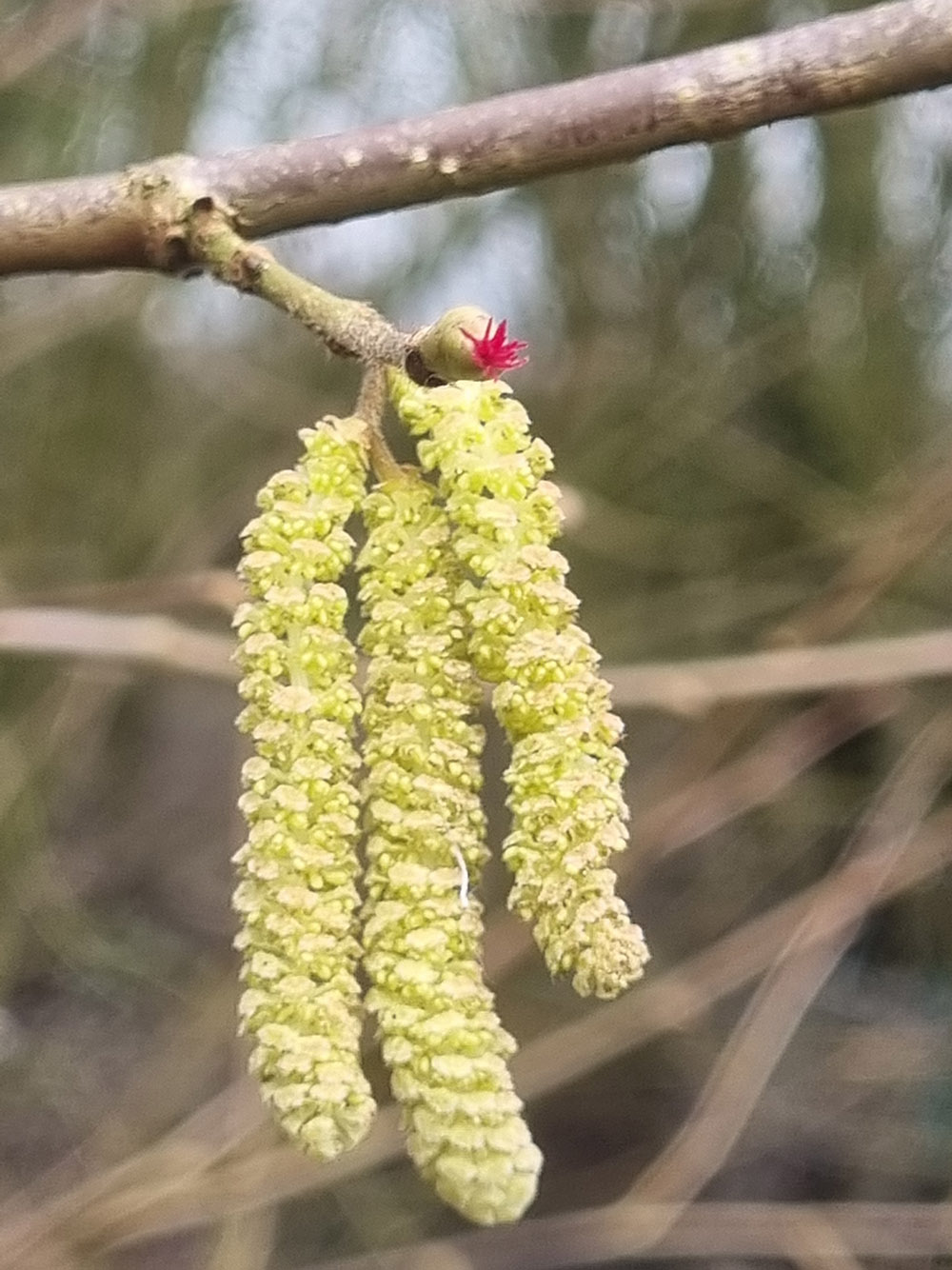
Given that wind pollination is less efficient than insect pollination, hazels have evolved to release far greater volumes of pollen to ensure contact with the tiny, sparsely numbered, female flowers. I am amused by the consideration that to address the inefficiency of wind-born reproduction, the volume of the pollen has evolved to be far greater, yet no effort has been made on the behalf of its counterpart to increase its size in order to better its chances of catching some pollen.
In fact, female flowers are so small and secretive that they appear to have purposefully hampered the effort of the male flowers, making it as difficult as possible to fertilise them and in turn causing the male flower to release even more magic dust. Or else, it is a testament to the sheer volume of pollen released, the tiny flowers have no need to grow larger as pollen is so abundant. In any case, the deepening groves of this evolutionary track has caused hazel to create some of the most potent, pollen-laden, male flowers amongst our native array of tree species.

Snowdrops and Daffodils, Bulwarks Lane
As snowdrops fire green spears through the mulch, and hang upon them white hoods bowing in wait for the neighbouring daffodils, the tall trees wait too. Imbolc’s first flickers cause them a steady rising that will not tip the brim until cold snaps are replaced by consistent warming. For now the Spring coils over itself, wound tighter by the day, a necessary preparation required for it to pop properly, and one that will take all of three months’ patience to fully unfurl.
For now, we churn below the break, held down for a time by a weight of cold, before spring’s turn chucks us up from the under to sail again upon the crest of heat waves.
I leave you at this time with some further reading, last year’s January newsletter, which goes into some depth on journeys through the mist, and this article from February 2024 that talks about Springs beginnings.
Included below are recent videos of adventures in mist and frost and a list of the 2026 Spring tree walk dates.
Imbolc blessings to all.
MW
1/2/2026
SPRING TREE WALK DATES
Equinox: Sun 22nd March
April: Sat 4th | Sun 12th | Sat 18th
May: Sat 2nd | Sun 10th | Sat 16th | Sun 24th
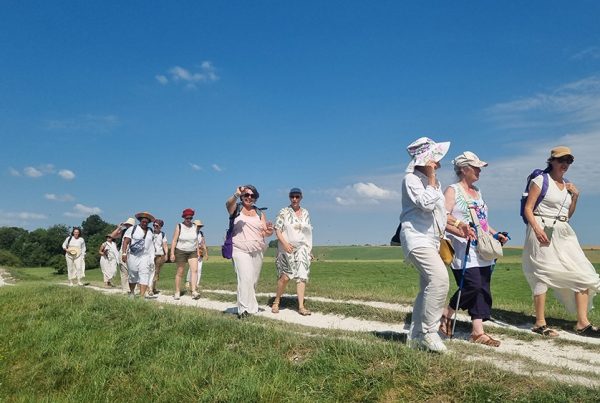
Meet at the gates to St John’s Church on Glastonbury High Street at 11am – £10pp.
RSVP: 07548 936 081
Private walks are available to book at a date and time to suit you – Book.

VISUAL DIARY
-

- Wiggly Oak, Field Maple Hedge
-

- Mists of Avalon Sunset
-

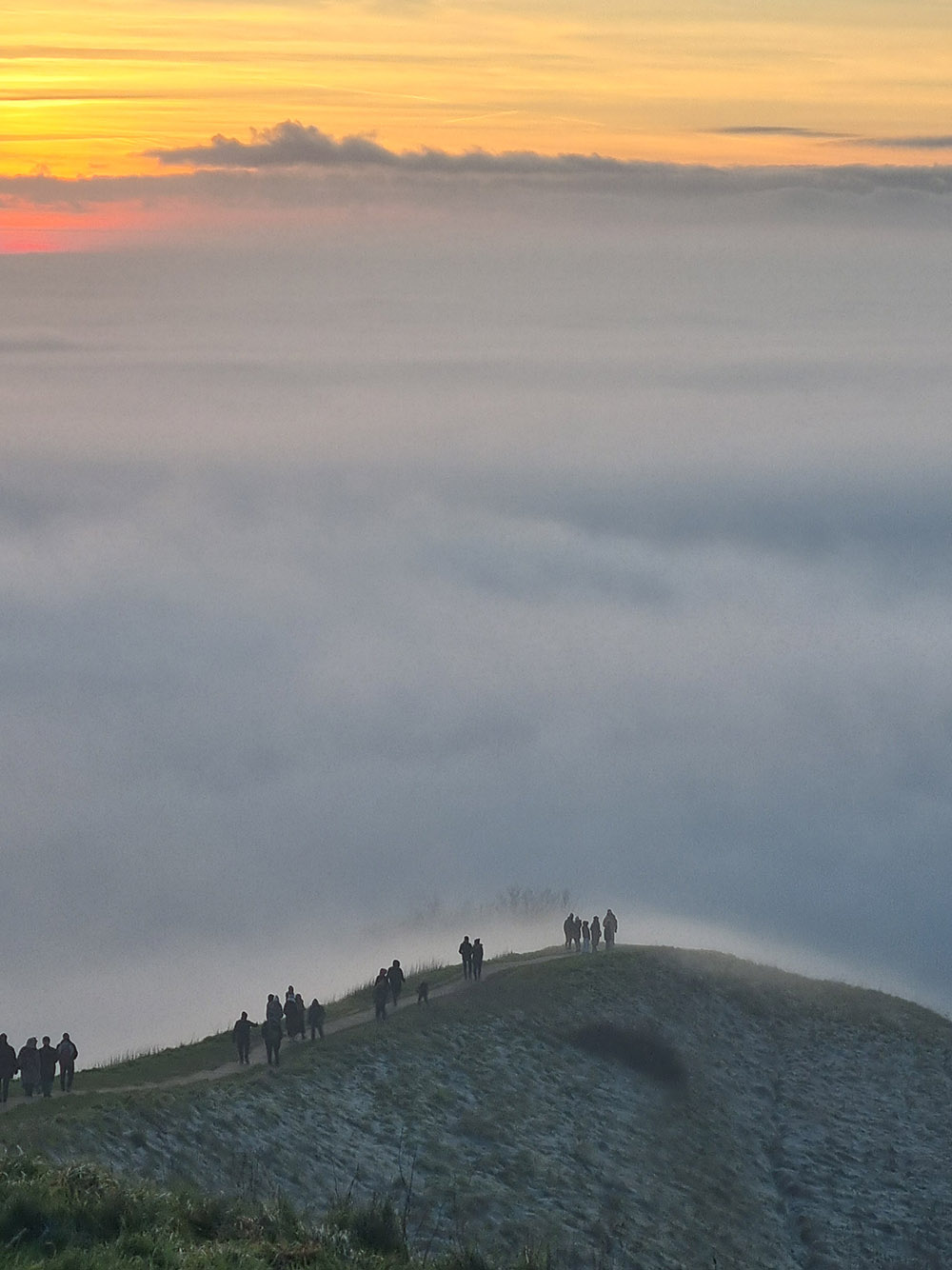
- Mists of Avalon, Chalice HIll

-

- Mists of Avalon Sunset

-

- Mossy Wall, Biddlecombe

-

- Oak Sunrise Mist

-

- Oak Sunrise Mist

-

- Tor – Mists of Avalon

-

- Icy Beech

-

- Icy Beech – Wearyall Hill
-

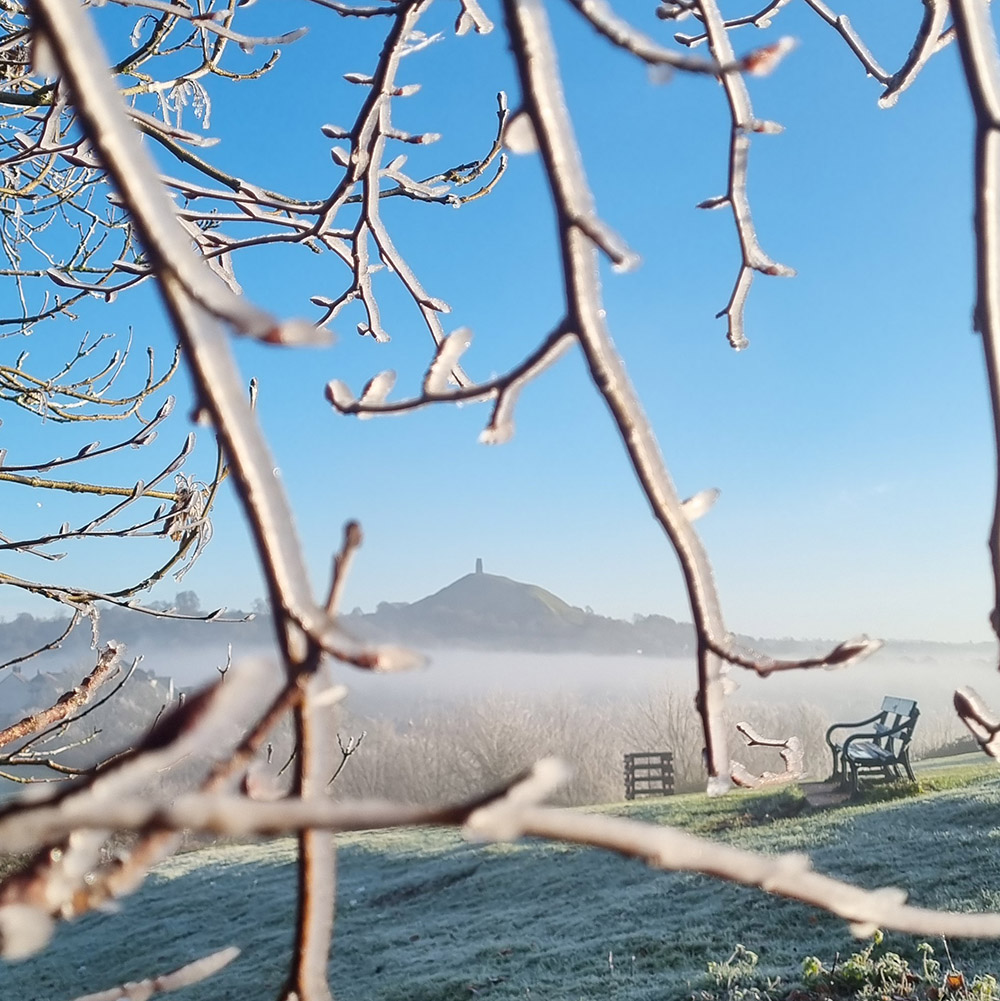
- Icy Thorn – Fishers Hill

-

- Avenue – Abbey Park

-

- Icy shadows – Abbey Park

-

- Misty Cedars – Butleigh

-

- Misty Cedars – Butleigh

-

- Alder Colours of Winter
-

- Alder, Moss, lichen, mistletoe

-

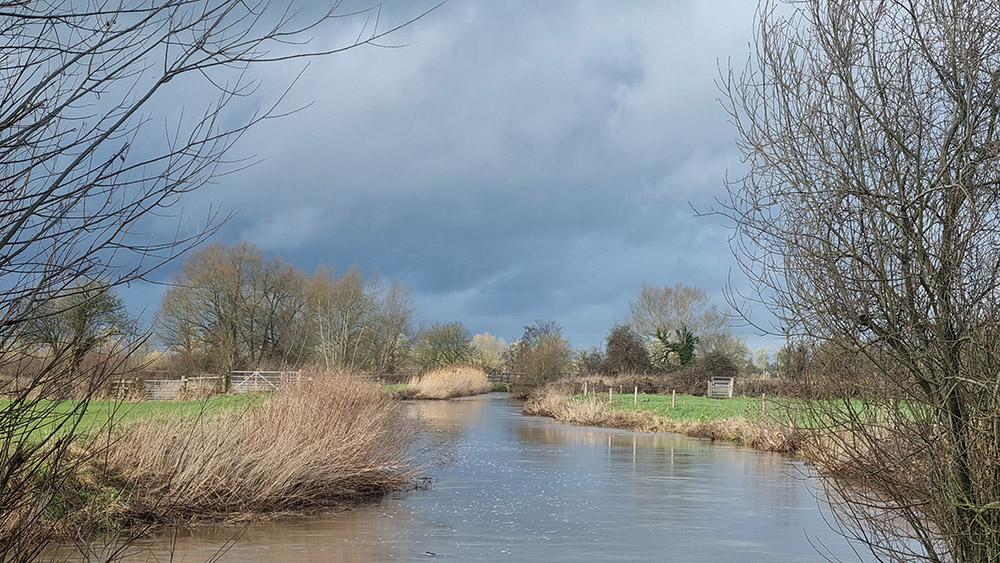
- Winter Colours – River Brue
-
- Solstice Tree Walk – Gog and Magog
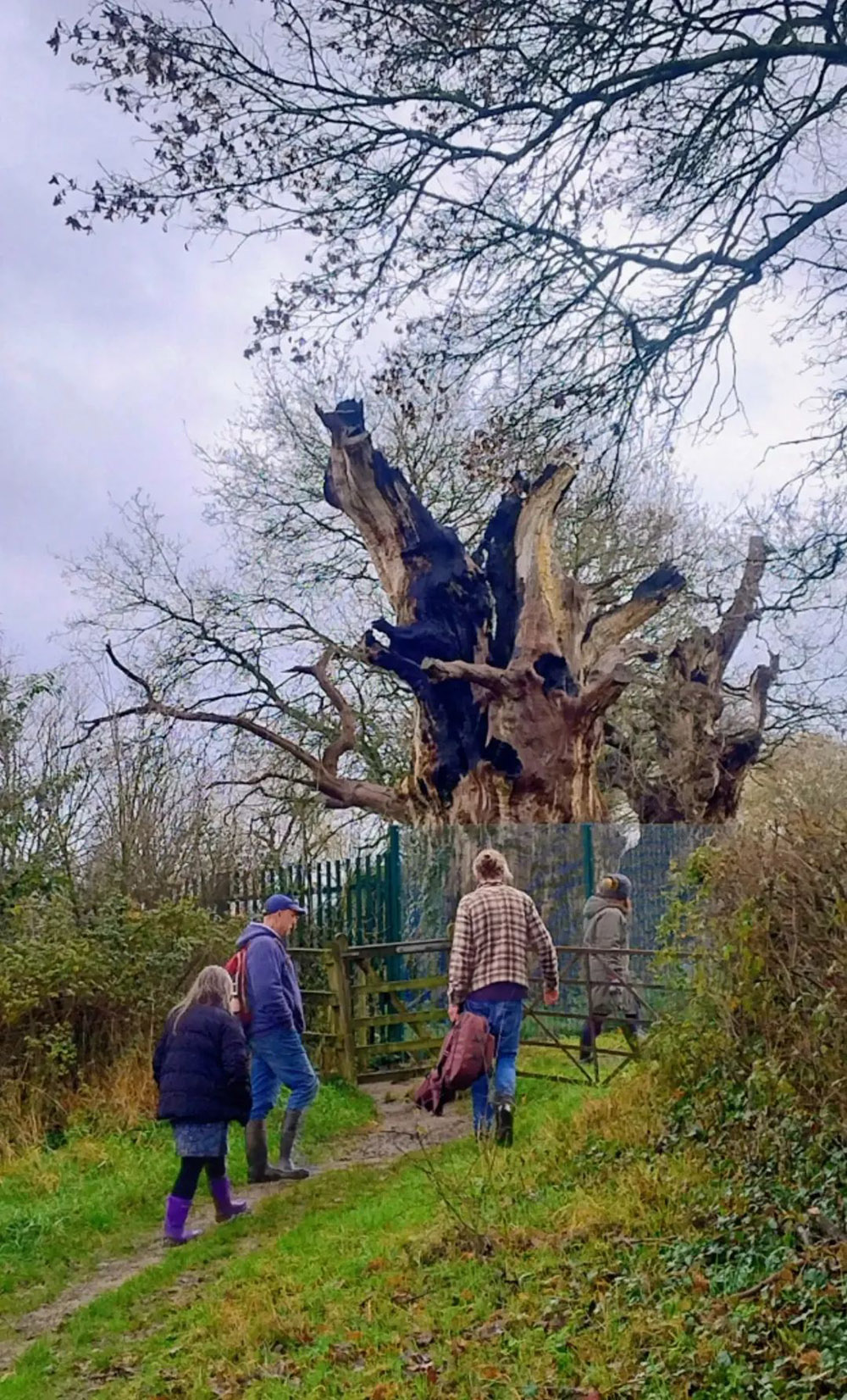
-

- Solstice Tree Walk
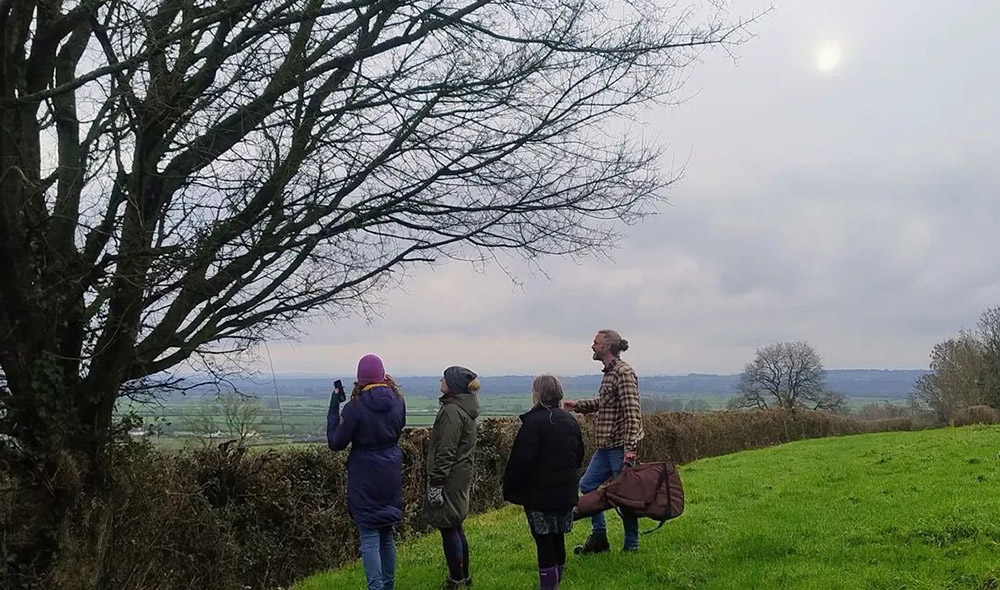
-

- Solstice Tree Walk – Avalon Oak
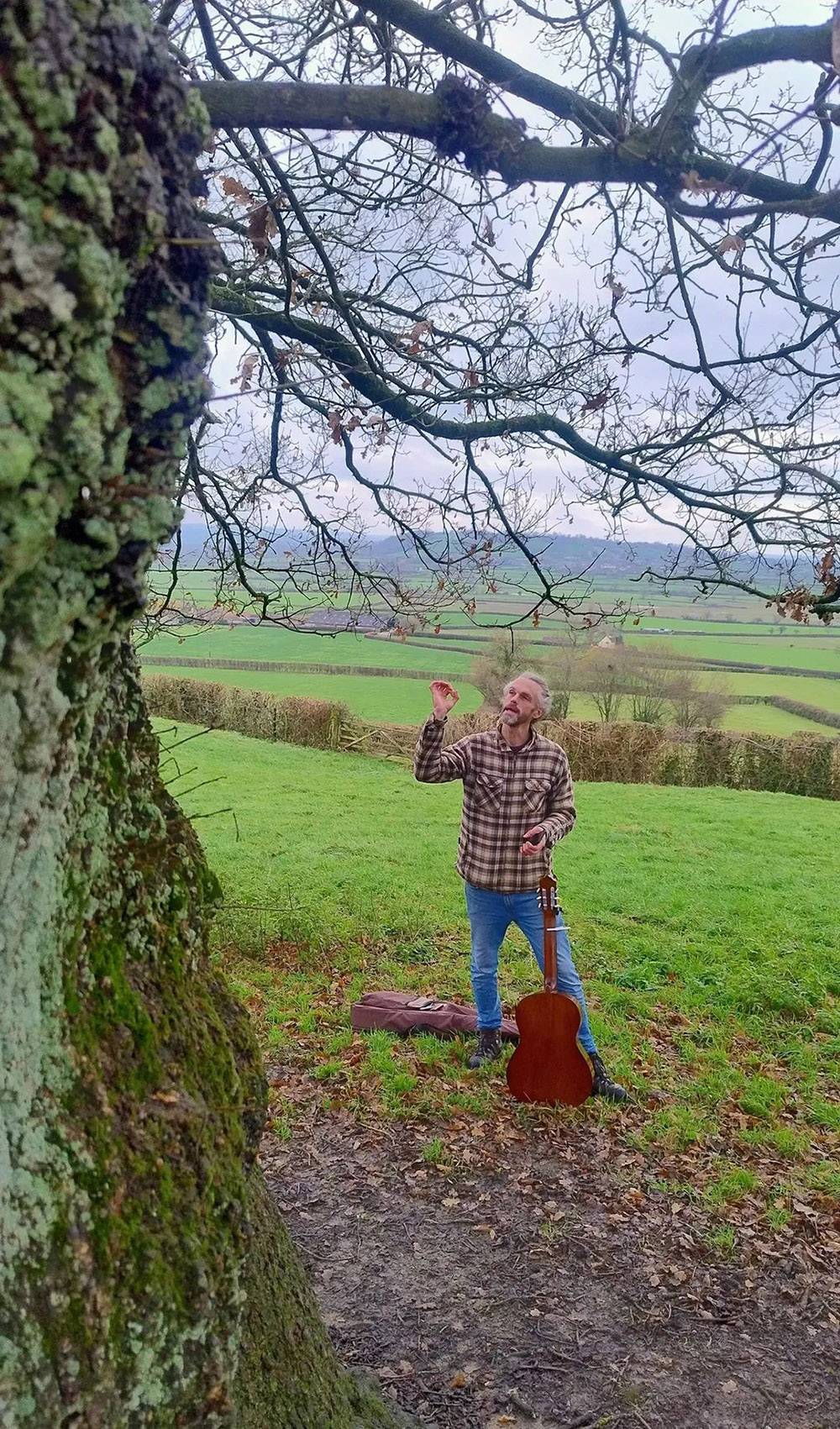
-

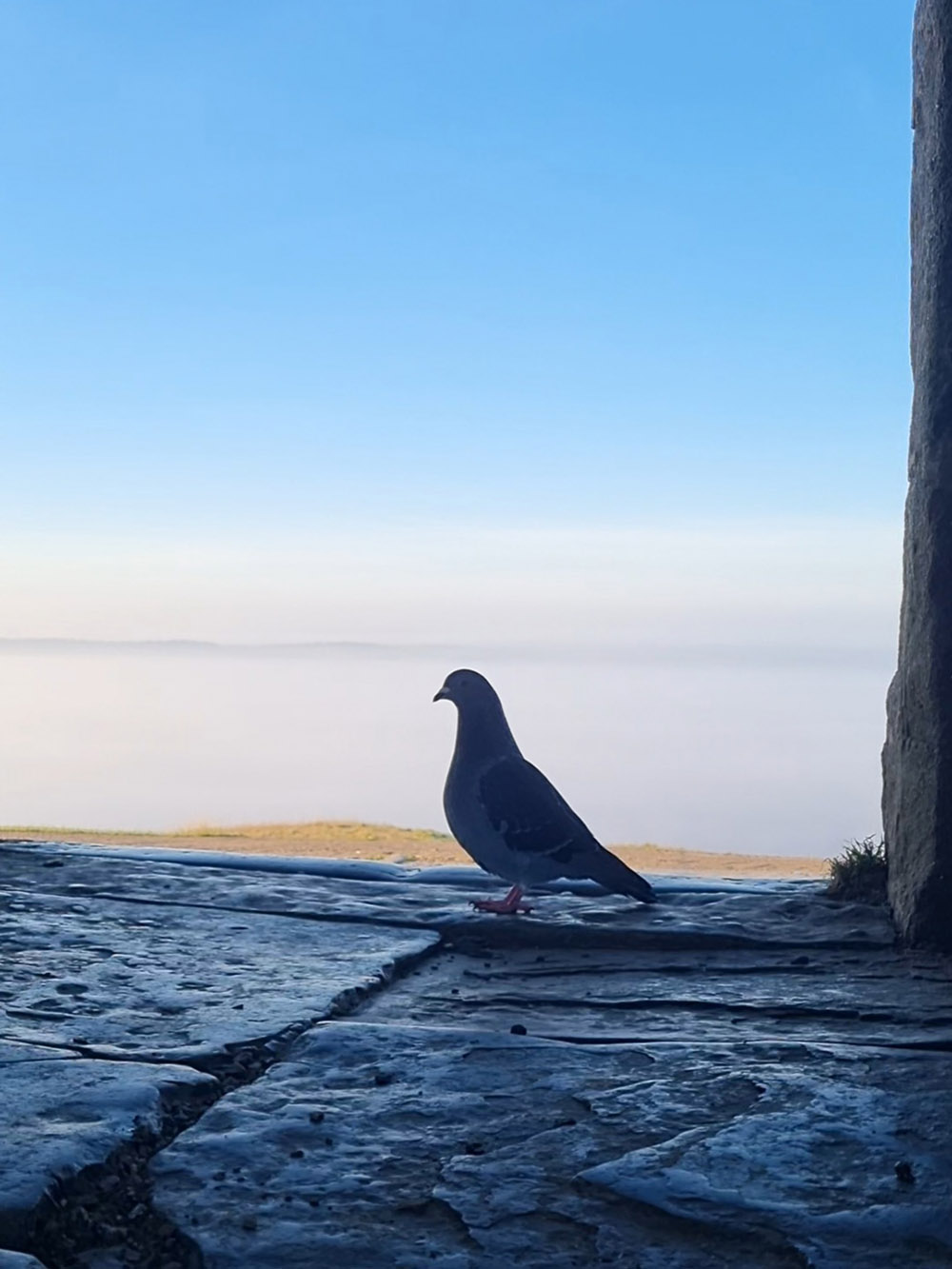
- Pigeon Angel – Glastonbury Tor

-

- Pigeon Glastonbury Tor
-

- Sunset Bodden Cross

-

- Stoney Steps – Biddlecombe

-

- Glastonbury Tor Mist and Shadow

-

- Matt – Avalon Oak

-

- Solstice Tree Walk – Avalon Oak

-
- Tor Rose

-

- Tor Sunset
-
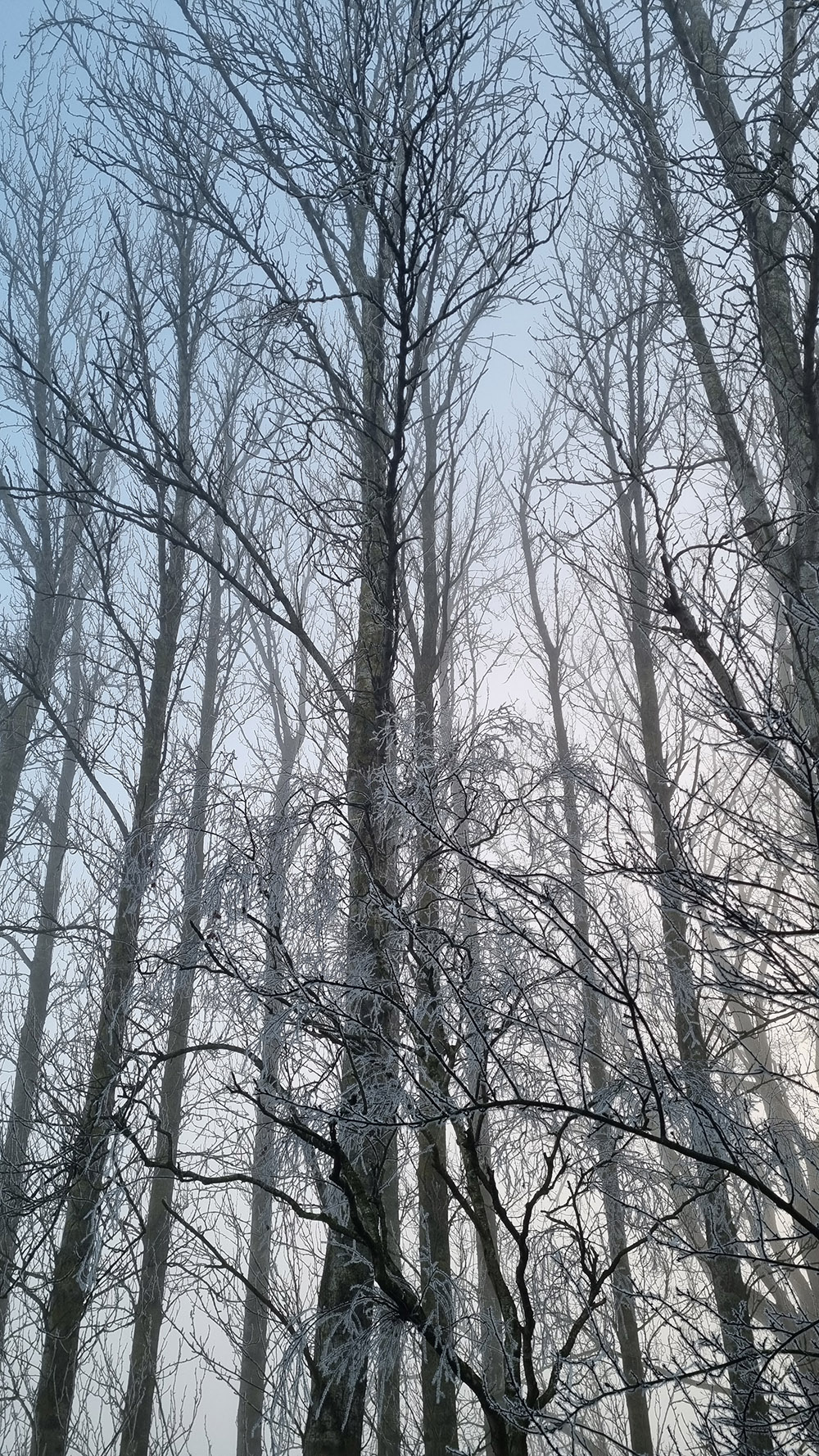
- Icy Poplars
-

- Icy WIllows

-

- Misty Sunrise

-

- Sun Bird

-

- Tor Photographer

-

- Chalice HIll, St John’s

-

- Glastonbury Tor Mist and Shadow