
Before the storms rolled in, we had been blessed with a summer that reached all the way into October. The gentle approach of autumn had us enjoying colourful walks beneath bright blue skies. Now, the plumes of colour that had been gathering in the canopies are transferred into vibrant puddles around the trees’ cold, clenched toes.
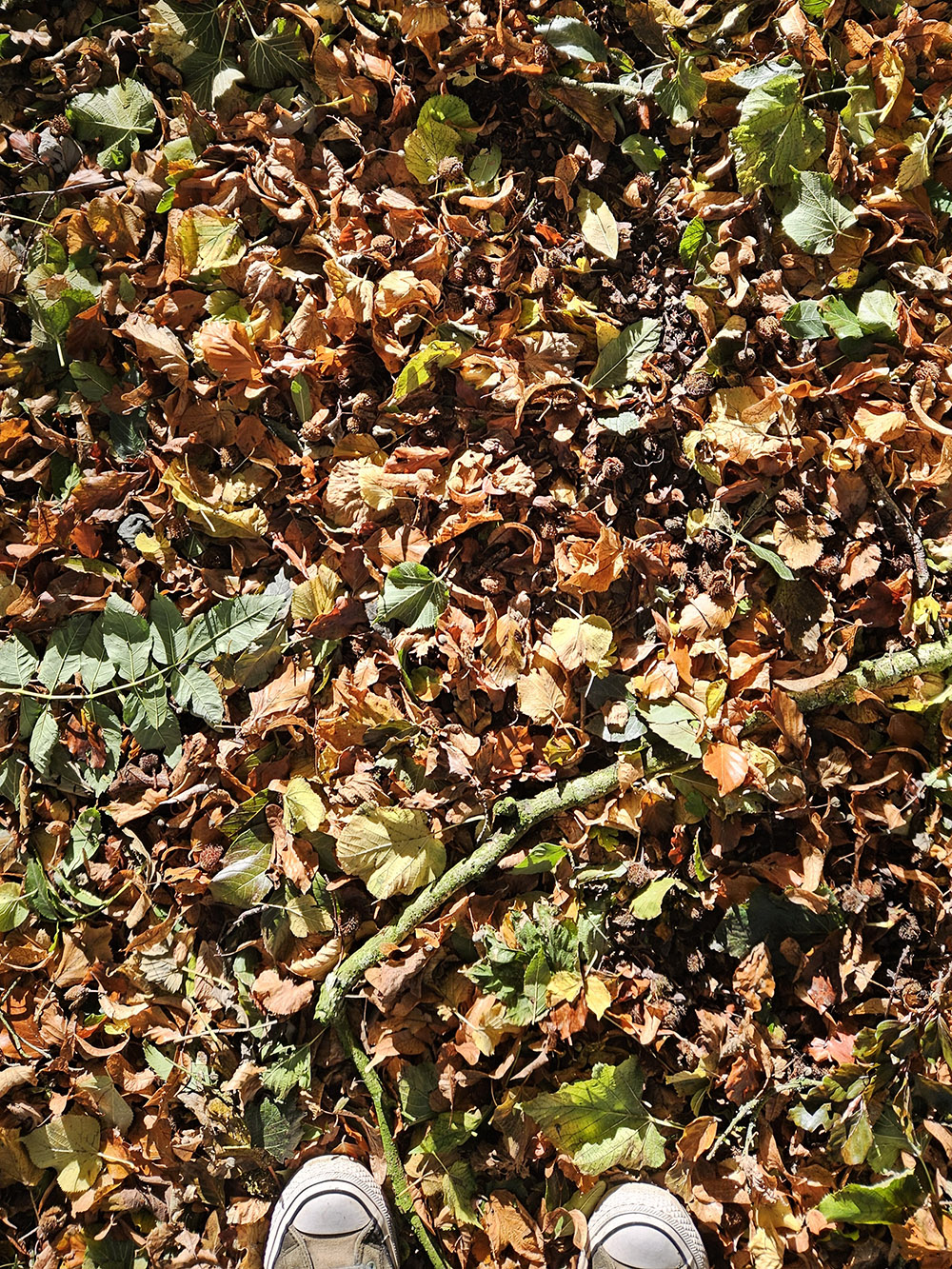
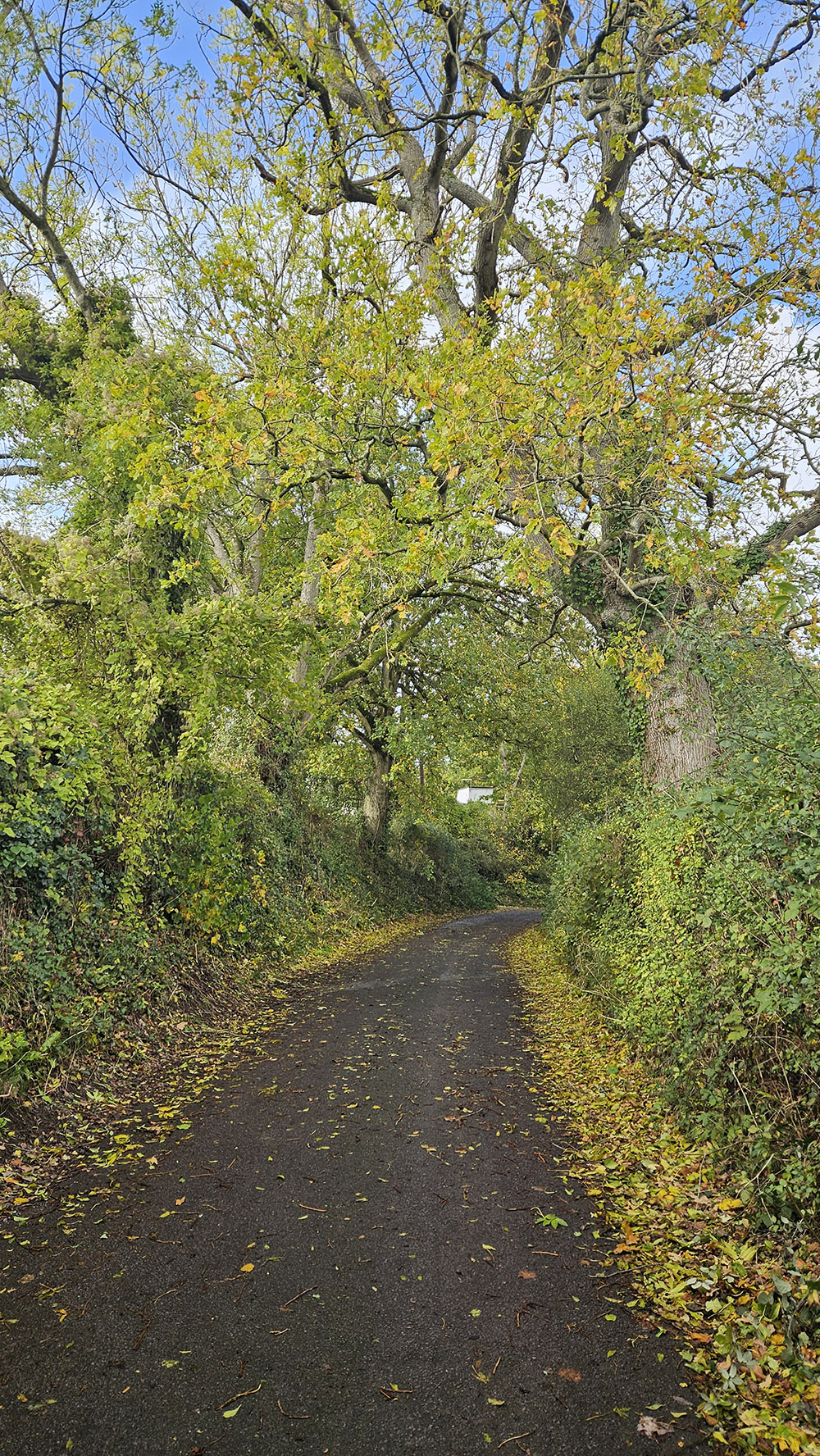
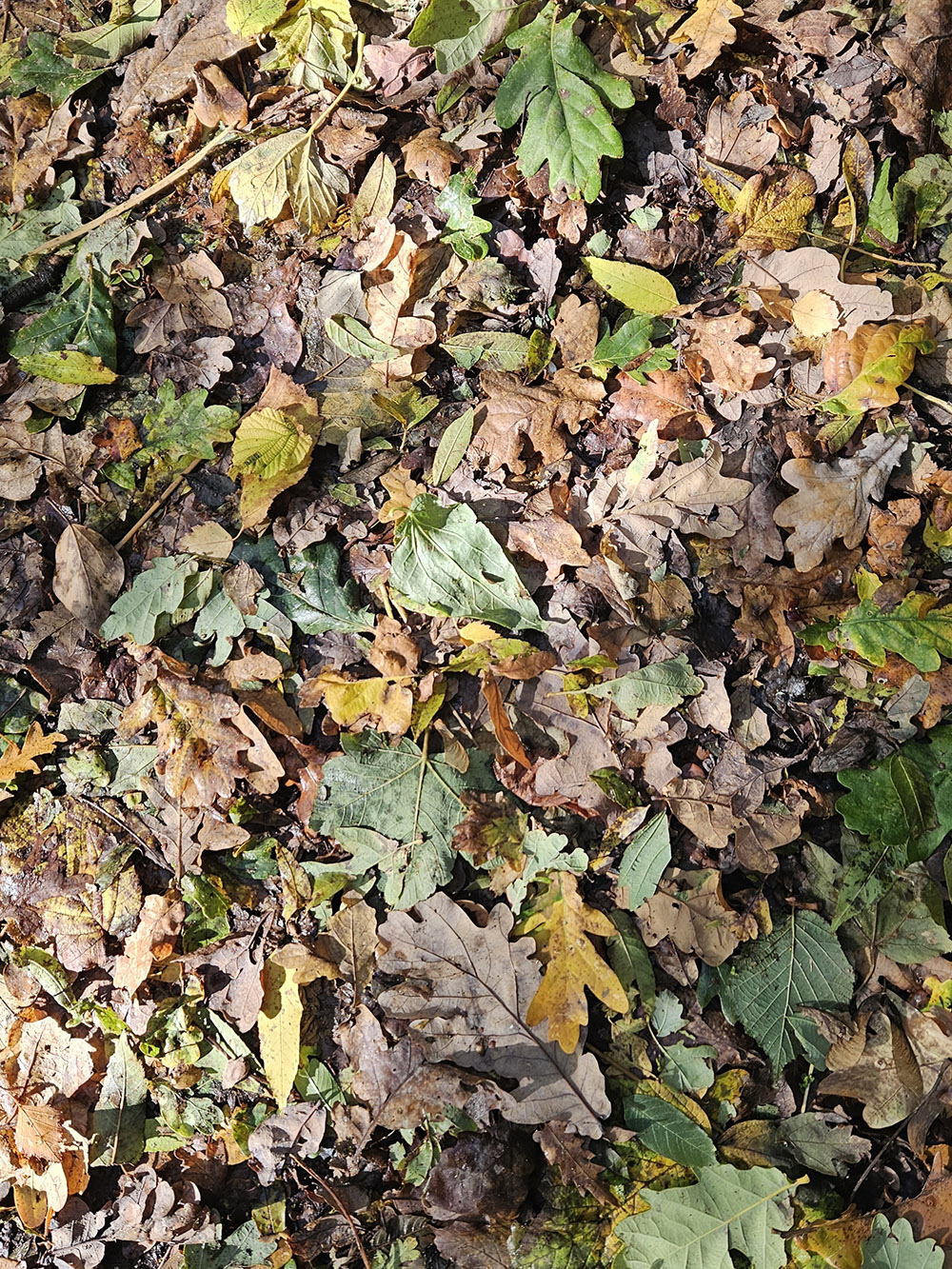
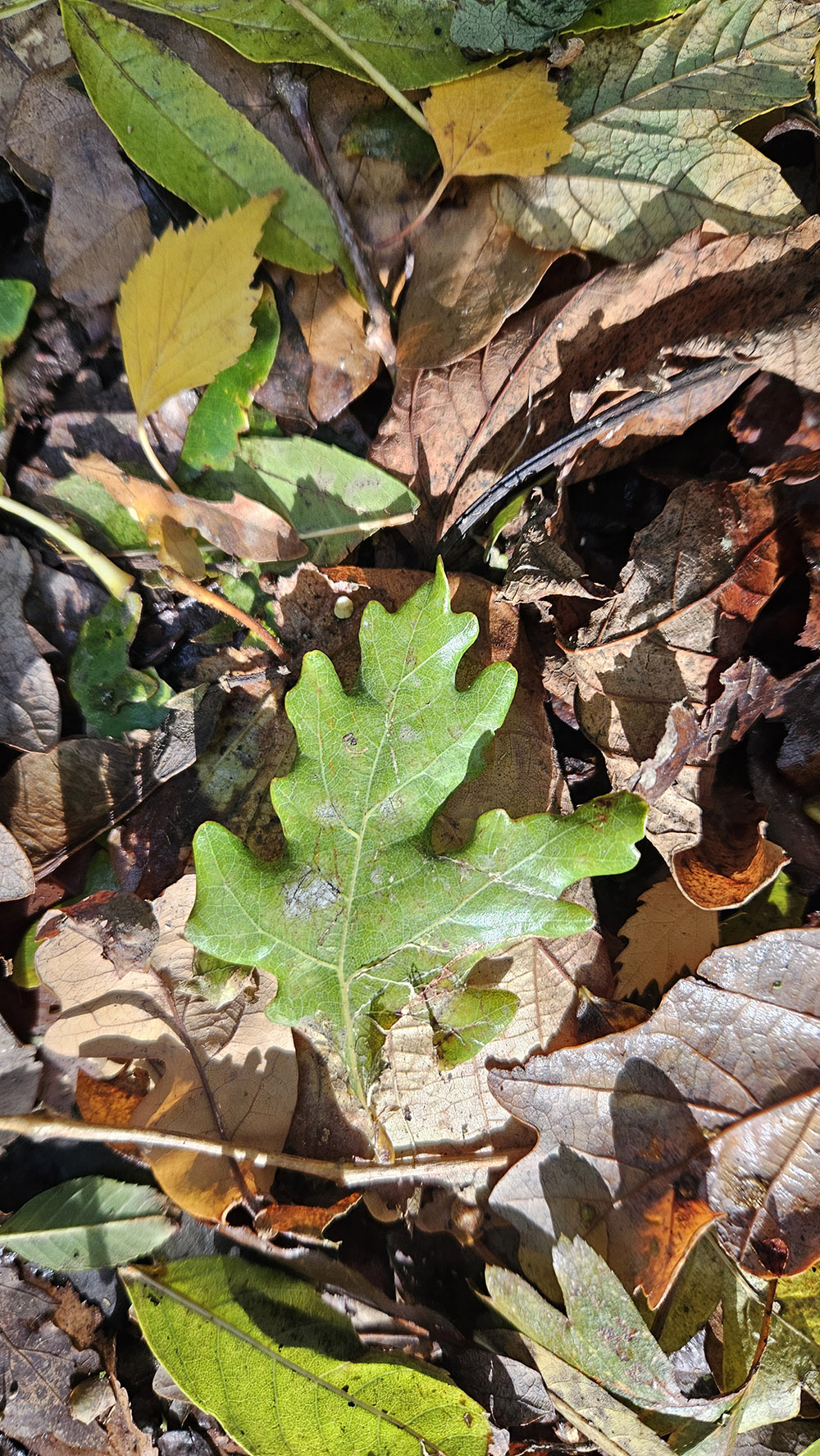
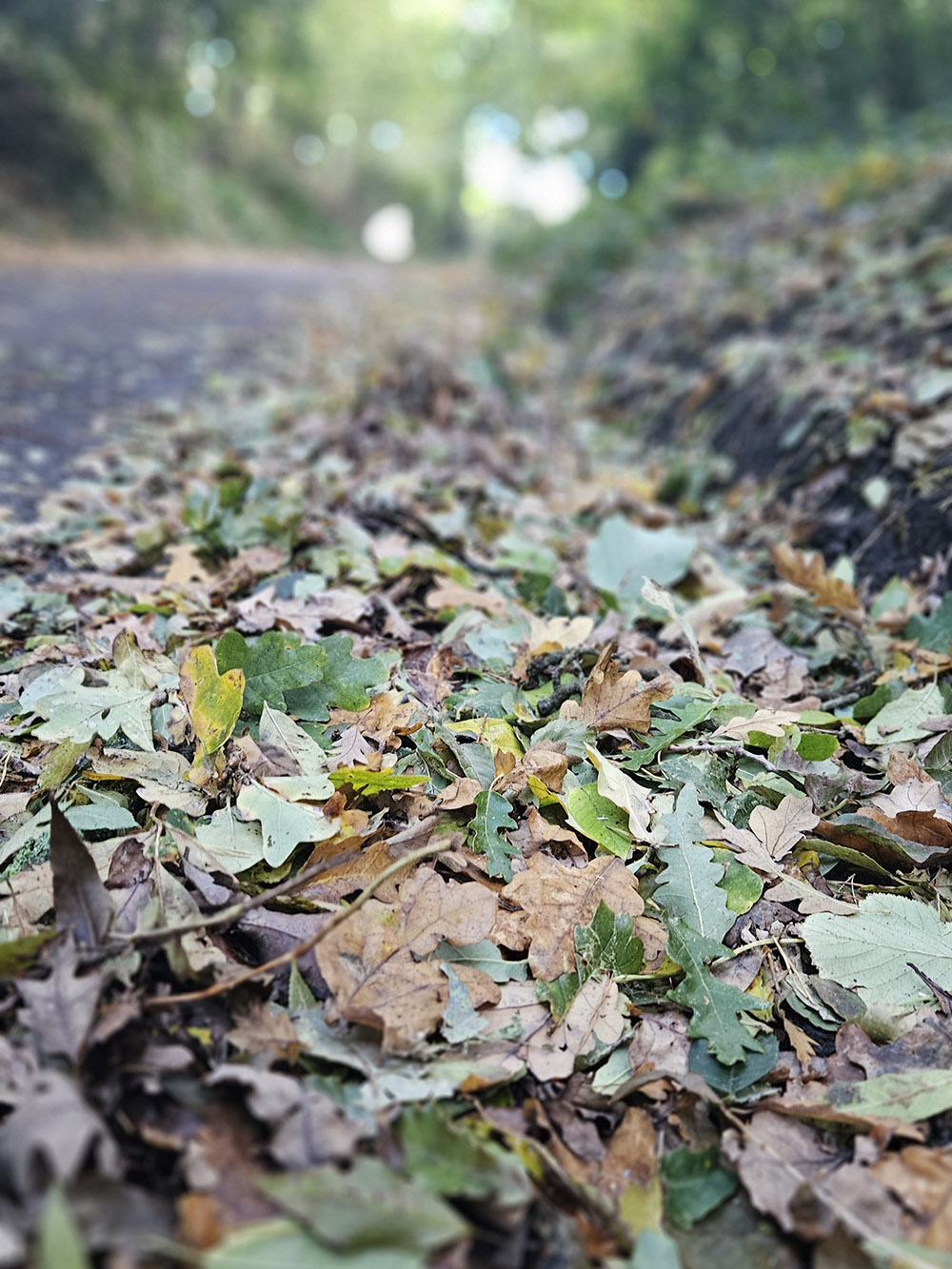
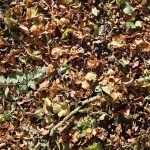
Rivers run in the gutters; strong gusts bring down deadwood and strip those leaves which, if not weakened by drought, had already gained enough age to let go with ease. I trudge in a hunched fashion, eyes down, up through Wick Hollow to find a rainbow has fallen and pours down both sides of the lane. I love nothing more than picking through autumn’s litter, taking in all the various leaf shapes in all the various colours, barely resisting the temptation to arrange them into patterns, and instead, enjoying the chaotic order with which they carpet the floor, leaving not an inch of the ground bereft of visual interest.
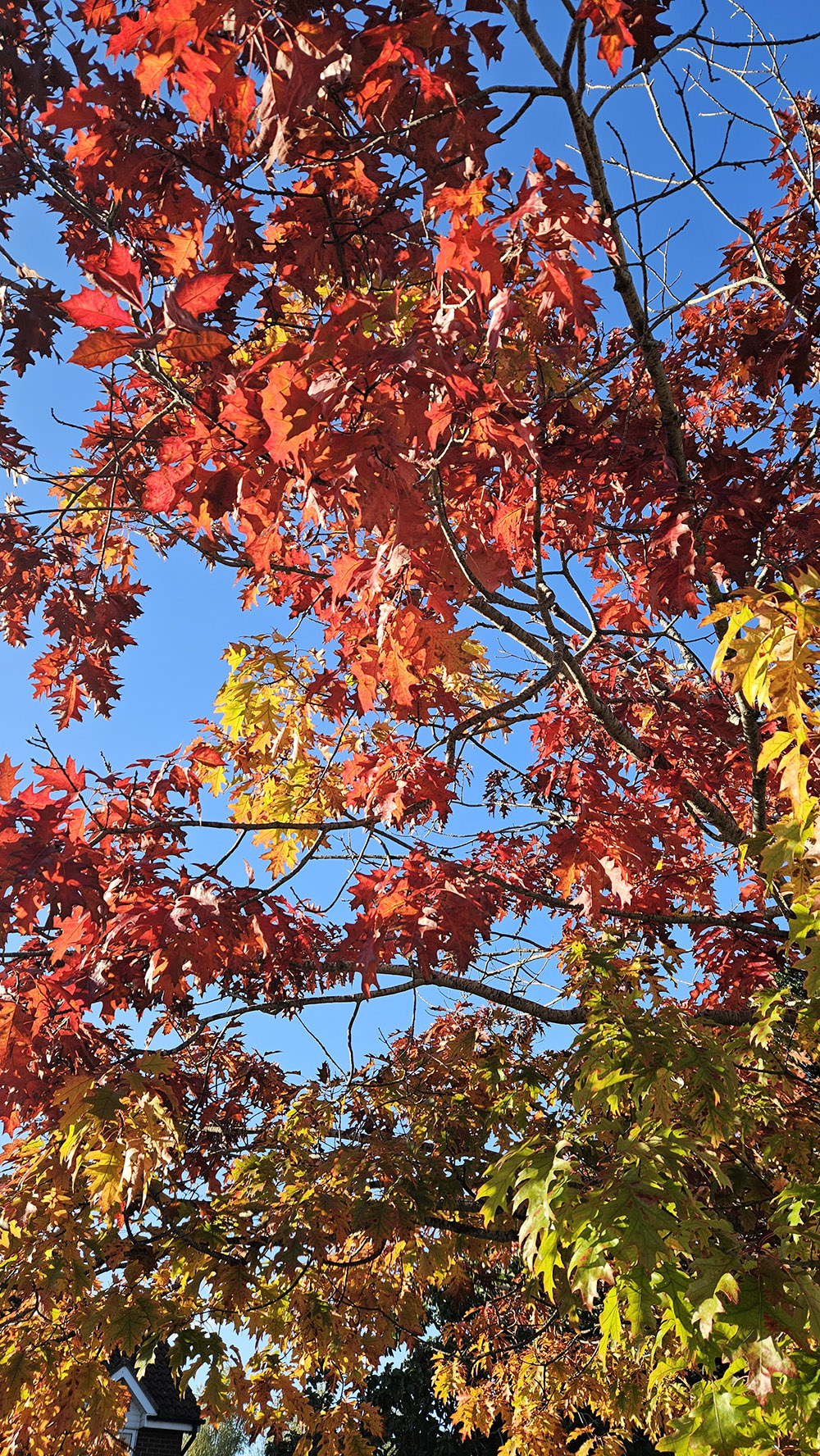 Around the town, possibly the loudest of autumn hues is sung by the red oak in the Morrisons carpark. An oak native to North America, its condition amidst the concrete and car fumes is questionable, but the vibrancy of its autumnal change is consistently astounding. From one side to the other, its large pointy lobed leaves show the extremes of bright greens all the way through to yellow and orange and a deep red. At present, each of its leading branches is a different colour, turning to autumn one after the other until the whole tree is red and ready to drop. It is as if this little tree’s sole purpose is to bring the party to this corner of the supermarket carpark.
Another particularly beautiful autumnal colour change is shown by the Raywood ash, which can also be found in the carpark. Raywood, or claret ash, is a cultivar originating in Australia, where in 1910 a single sapling was found growing in a nursery. They are often used in street planting because of their resistance to soil compaction, and interestingly tend only to produce male flowers. Raywood ash leaves are smaller, narrower, and more uniform than our Fraxinus excelsior. In Autumn they turn a colour that is somewhat difficult to describe. It ends in dark purple, but in the process transitions through a blend of purple, green, and a strange glowing golden hue that is the closest thing to a new colour I have ever seen. It’s like a psychedelic, holographic light show where the hues seem not to remain still but undulate and flow into each other, especially when the sunlight falls through it. This effect can still be seen on the carpark specimens near the supermarket entrance.
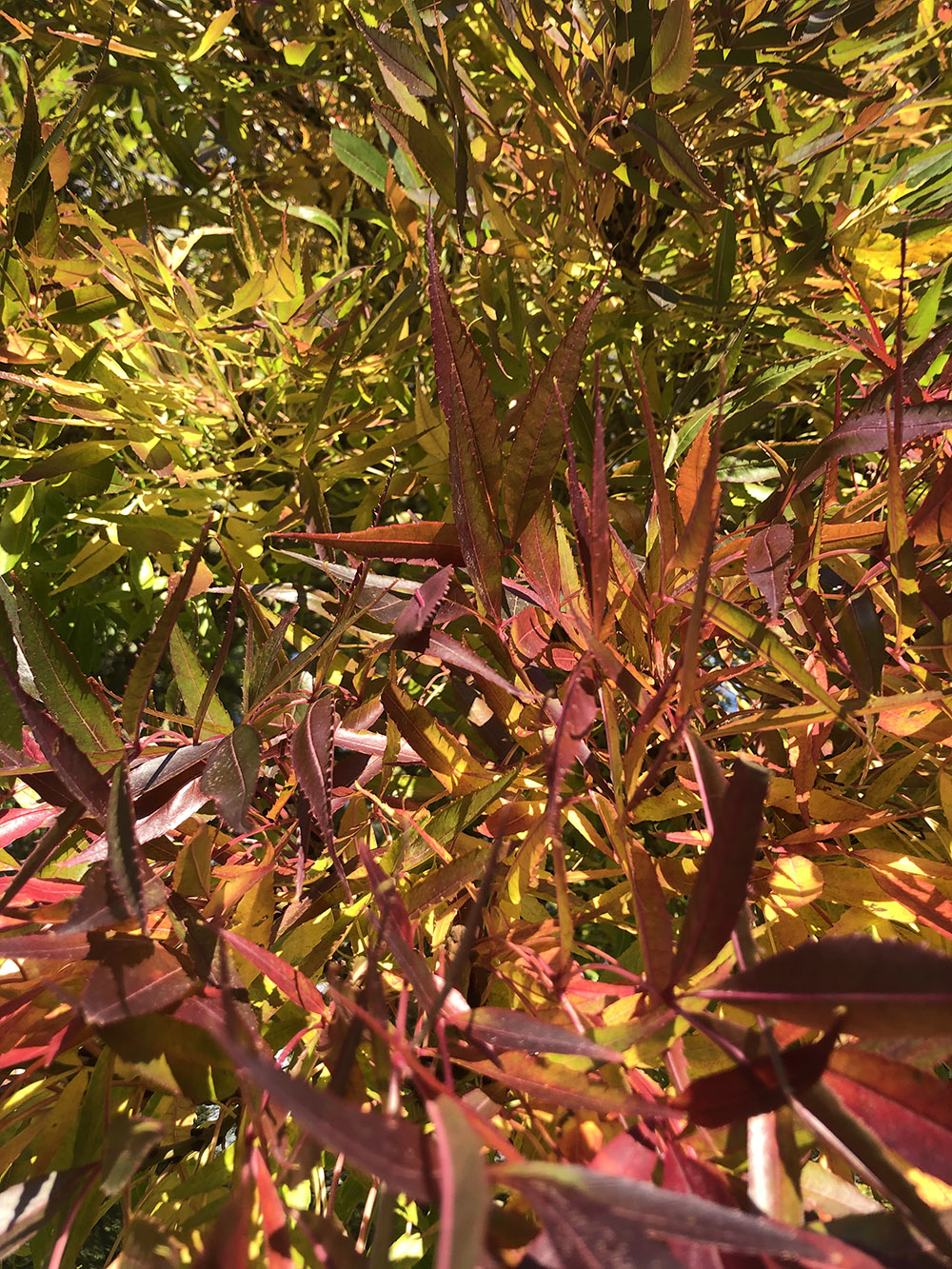
Raywood Ash
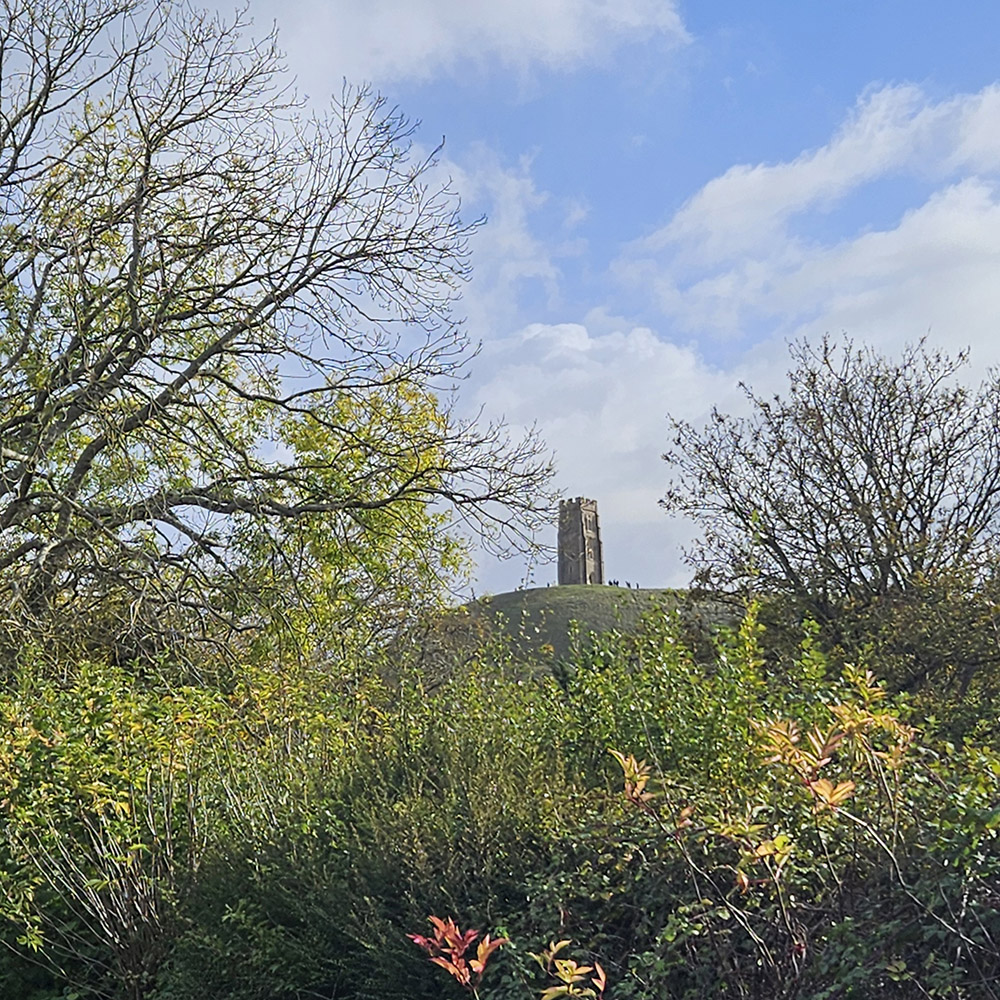
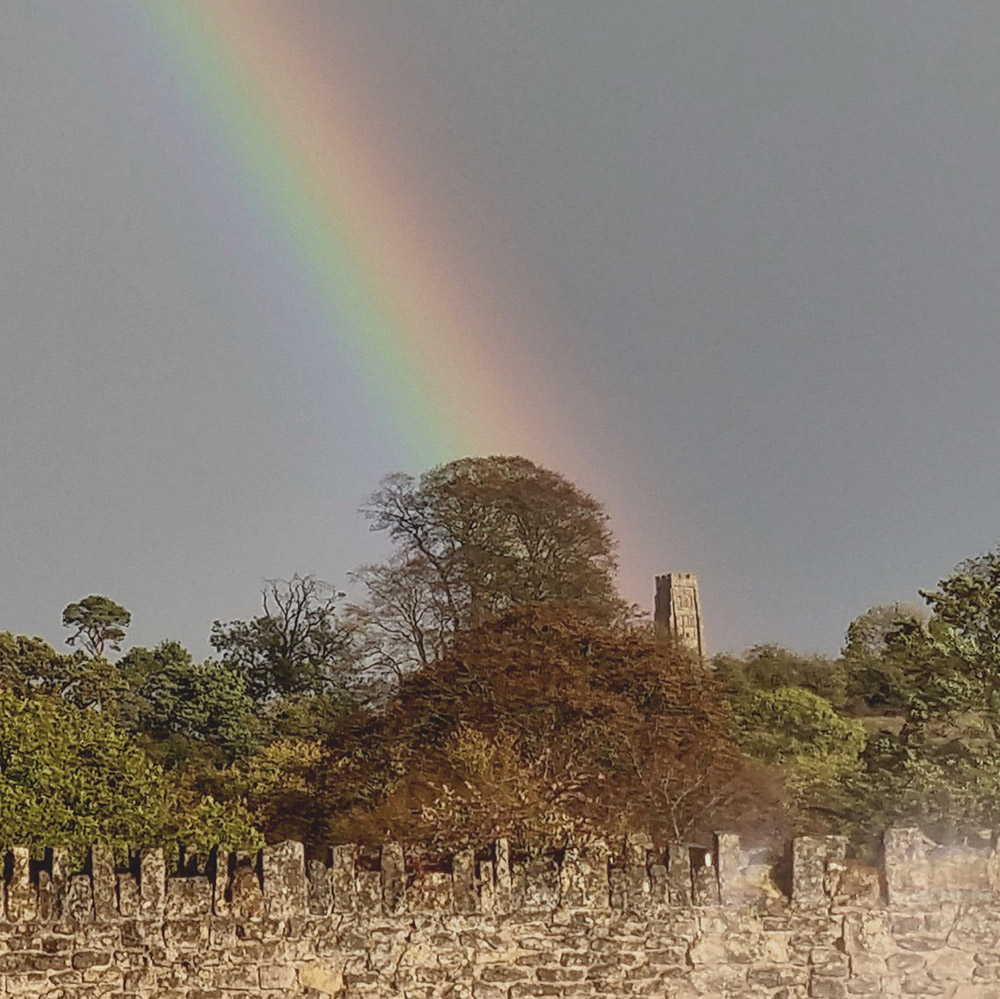
We have more non-native ash trees at the back of the Rural Life Museum; the white ash there has a striking pink and red autumn dress that frames a view to the Tor and drops onto the grassy mound beneath. Pools of colour are also gathering upon and beneath the birch tree on the corner of St Edmund’s Road, while the view through the Abbey to the Tor is turning more colourful by the day. As if in response to the trees’ colour change, a series of rainbows decorate the sky like an upward reflection of autumn.
 The rowans growing in gardens, planters and by roadsides have started to bleed into autumn; their transmutation seems almost painful as their delicate pinnate leaves become more sparse. Those left on the tree show the weathering of seven months exposed to the heat and now the strong winds have started to tear them apart. Old leaves blot red and orange while their deep red berries swell and shine like hearts clasped by rowan’s witchy fingers. They are hardy trees used to more extreme conditions in exposed locations bare of other trees and can be found growing naturally on the moors, often in isolation, and sometimes from between rocks and upon stone walling. It almost seems like a shame to restrict them to the role of street trees; such a noble species ripe with folklore reduced to garden decoration is a sight I struggle to process.
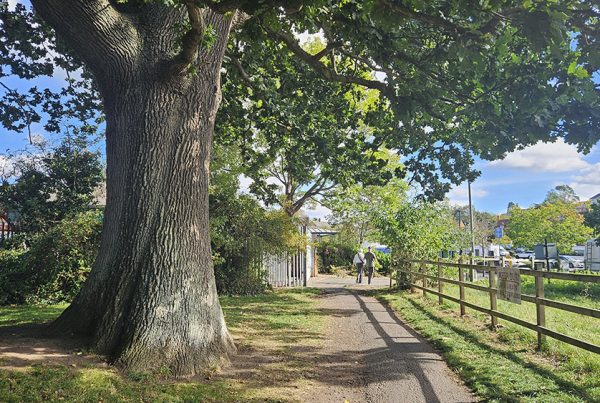
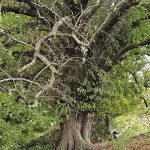
Up on top of Bushy Combe, Grandmother lime is starting to turn towards winter, as lindens do, spotting her green canopy with touches of yellow, but her canopy cover has barely been shaken by the high winds. Far from ready to let go, Grandmother lime is characteristically one of the last trees to lose her leaves, stubborn as she is, and may still be with pockets of remaining foliage until December. While the younger trees around her are stripped bare, she remains unshaken in a cloak of green to become the last memory of a spectacular summer now sunken.
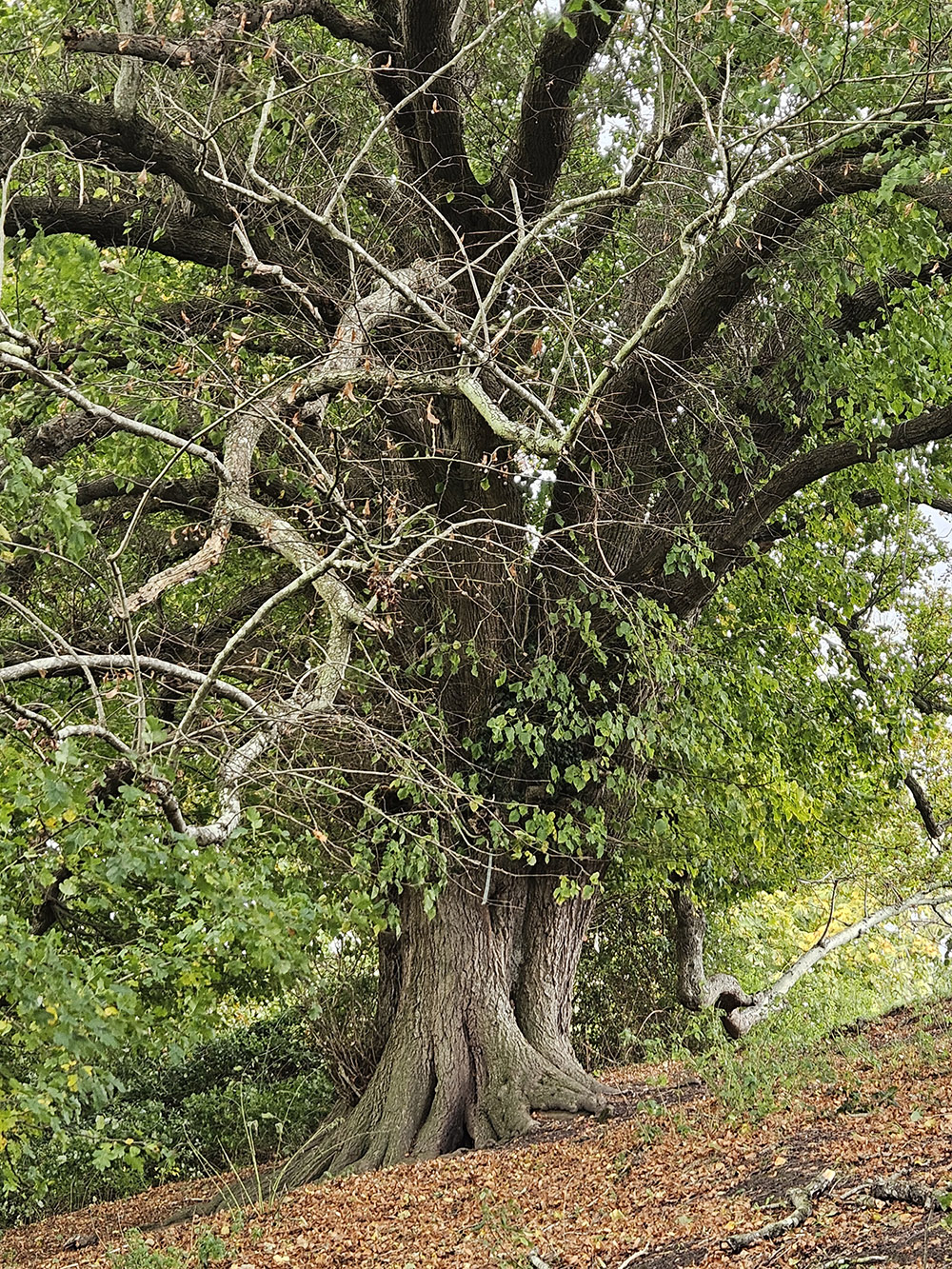
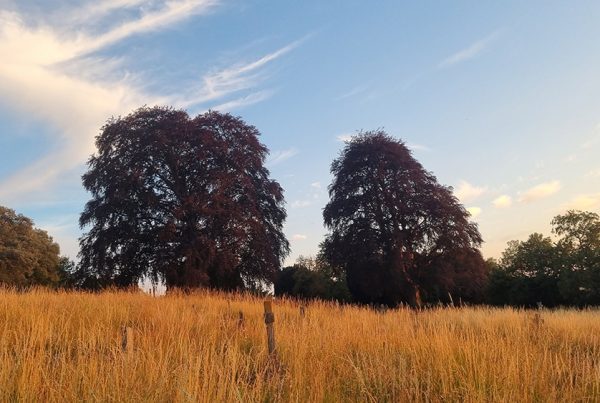
I can really feel it turning now. The last few days have been the coldest, and with this weekend’s storms, autumn’s colour will begin to drizzle into the gutters. My evening walks now venture into darkness. As I peer up into the sparsely leafed crown of the cemetery beech, I can start to pick out the constellations that have been hidden by leaves all summer. As the full moon rises, it can be seen to hang in the crowns, like a beaming heart reflecting a single disc of light into the ever-encroaching night.
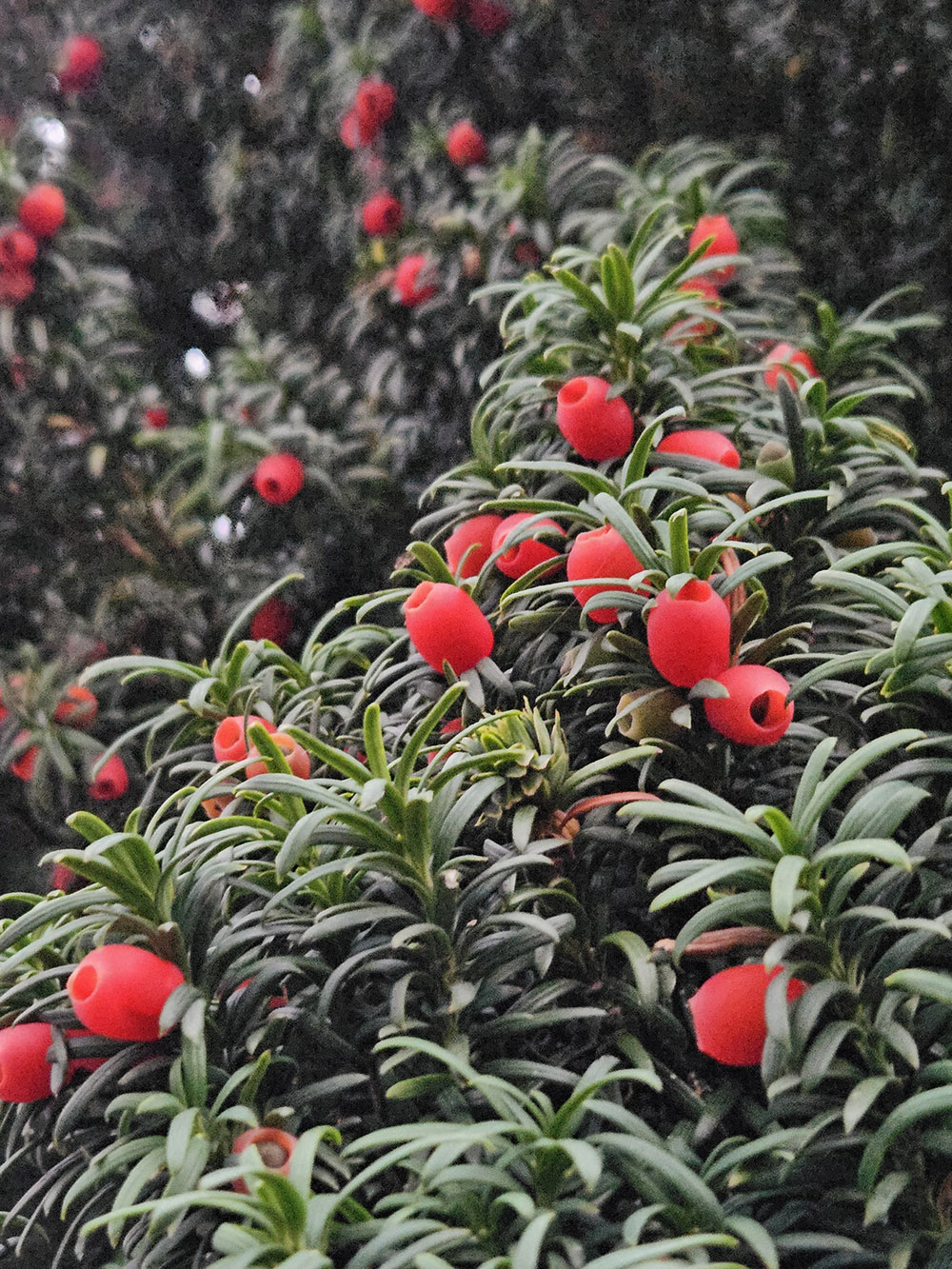 And when all else dies, which tree seems to become even more vibrant and alive amidst the slow death?
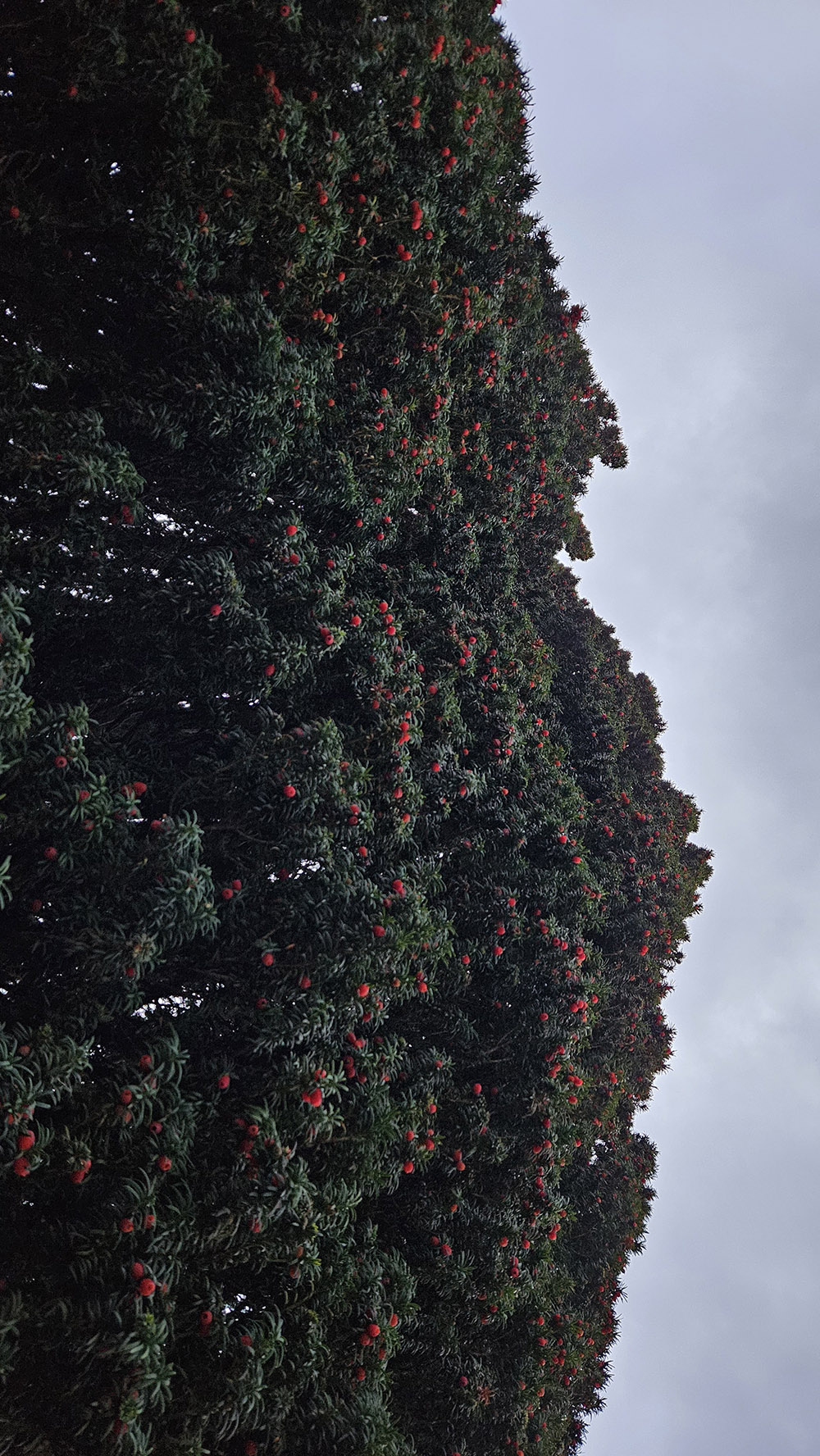
The yew. Its females are laden with glowing orbs of juicy goodness and its male trees busy producing fresh new sprigs of evergreen needles ready to capture the most of the low wintering sun and provide pools of deep green amidst winter’s bleakness.
This is edition 80 of the ToTheTrees newsletter. I have now sustained this practice for 6 years, missing only a few months along the way either through illness or the need to rest. Recently, in typical sentimental style, I have taken some time out to read back through some of the previous autumnal editions of the To The Trees newsletter. I have included three excerpts below with links to each article. I hope you enjoy peering back into past autumns as much as I do.
The dark of Samhain is upon us. The weeks are strewn across the lawn, days blown along on the autumn winds like leaves tossed off branches, dancing for moments before submitting to the ground to be mulched with all the other days. It is in the mess of this fertile dark under-earth that we sink into dreams and grow into the roots of tall trees. Read article.
In the cosy half dark of a mid-October evening, as the last of the crickets crick, the old ash decides in haste that it is time to let go. At night’s first hoot of owl, the tree’s first leaf sets sail, like a beacon signalling the other trees that time has come to begin their Autumnal undress and run naked into the face of the brisk. By the light of morn, the old ash was leafless. Read article.
Stray rays tunnel deep through the tiniest chinks in the foliage, hitting nothing on their long journey from the sun, to take their final rest upon a single branch in the darkest thicket of the farthest nook of the combe. These are fleeting angels of the undergrowth, travelled far from the burning sphere, on a mission to enlighten. Read article.
All past edition can be perused at your leisure at this link: Read all editions.
TREE WALK DATES
Autumn Walks
Nov: Sat 7th (last of season) – FB EVENT INFO
Winter Solstice Tree Walk – Sun 20th Dec
Meet at the gates to St John’s Church on Glastonbury High Street at 11am – £10pp.
RSVP: 07548 936 081
Private walks are available to book at a date and time to suit you – Book.

VISUAL DIARY
-
- October Rainbow
-
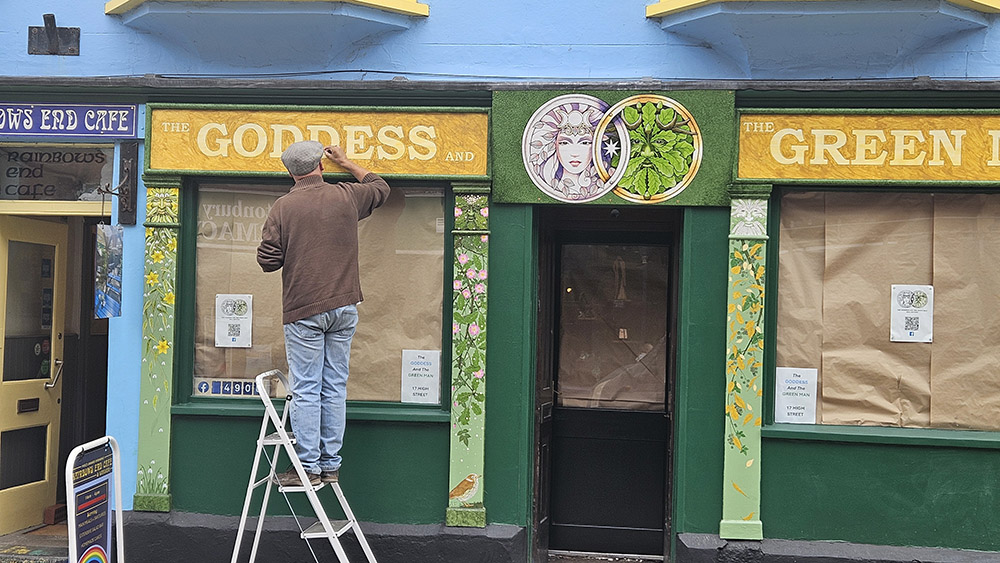
- Yuri – Goddess & Greenman
-
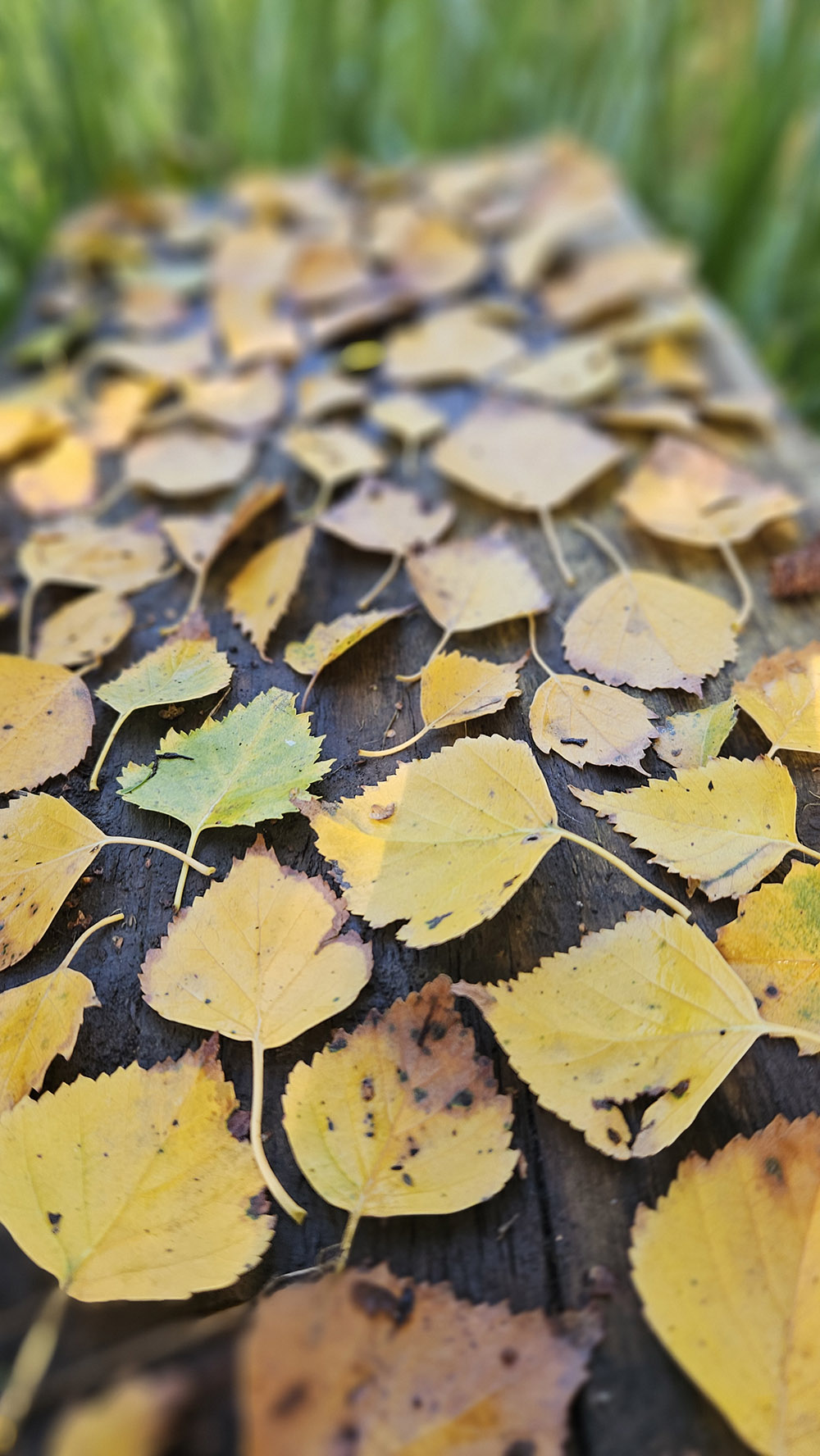
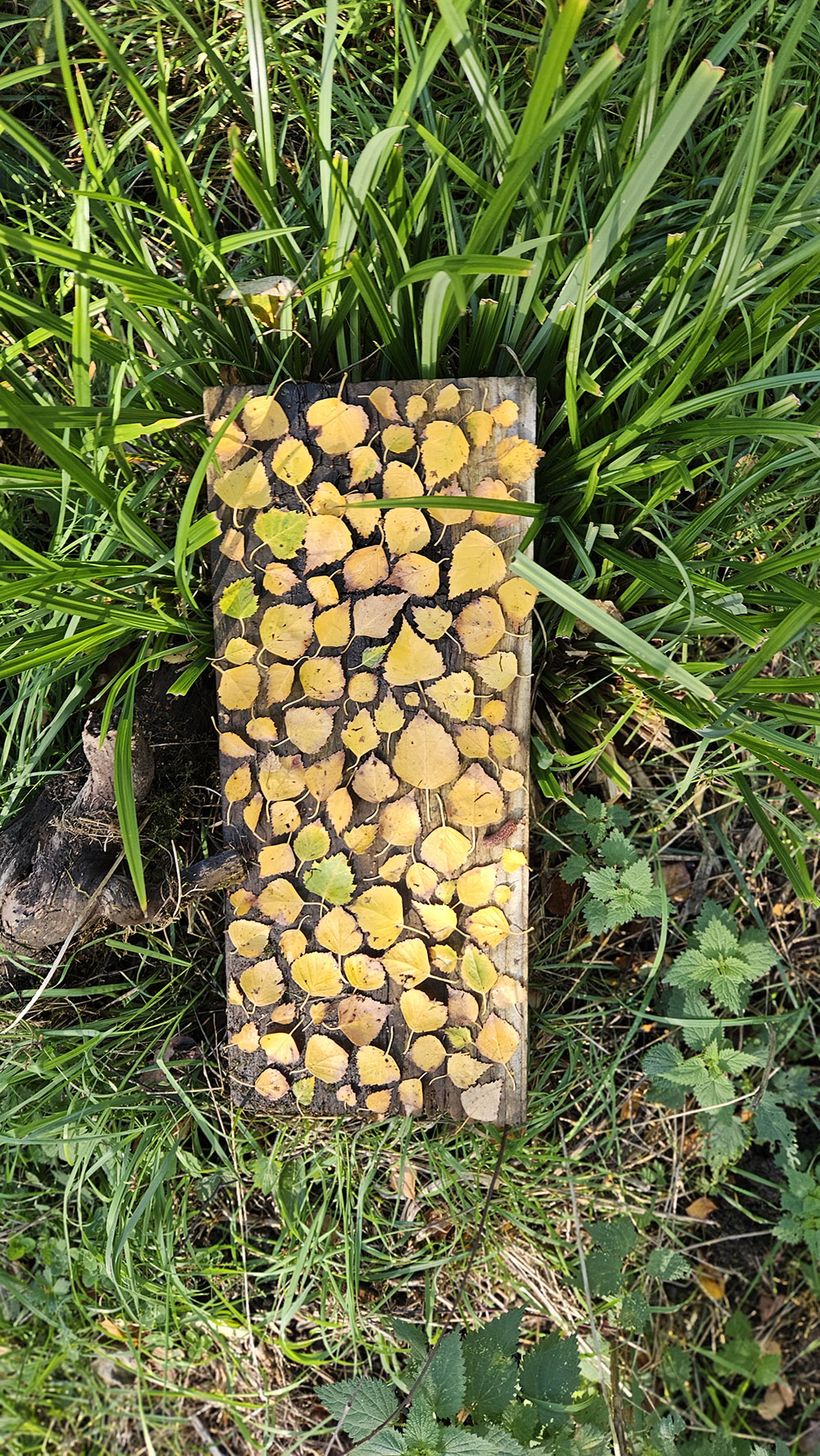
- Birch Leaf Art
-
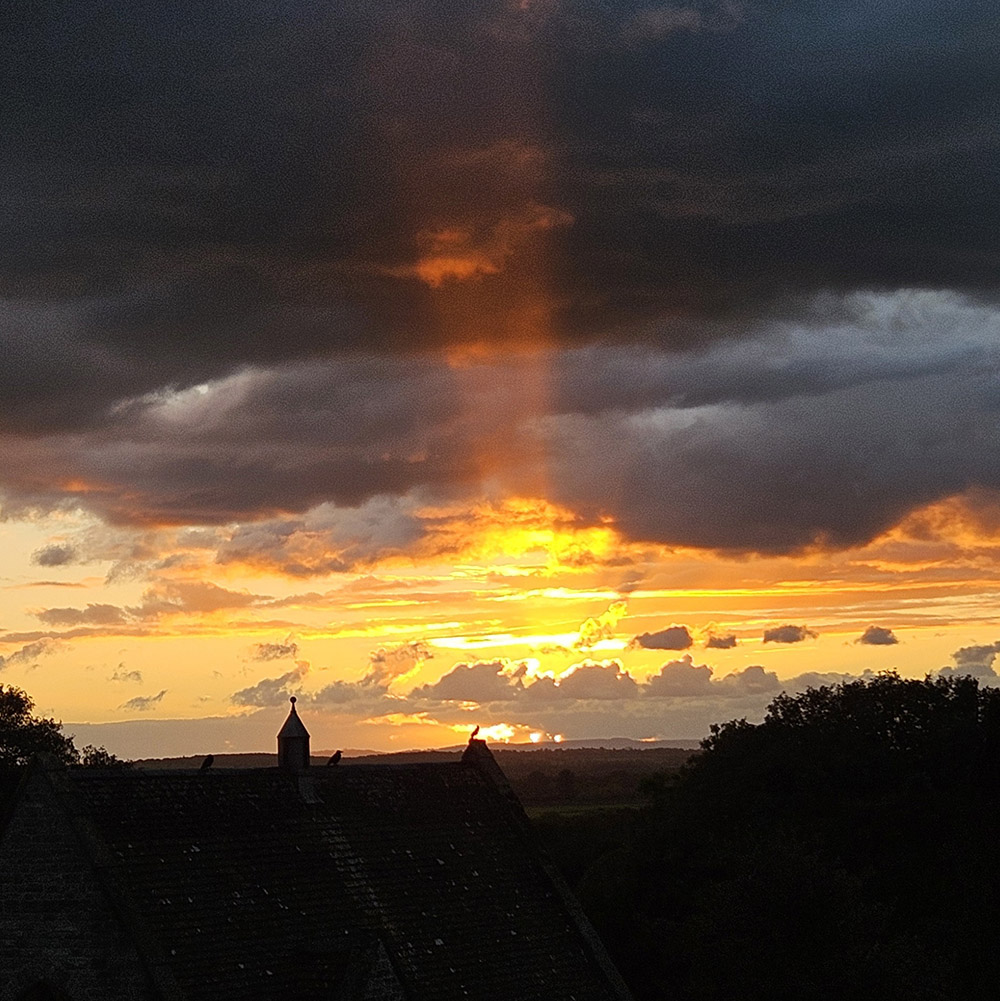
- Cemetery Sunset
-
- Irish Yew
-
- Irish Yew Berries
-
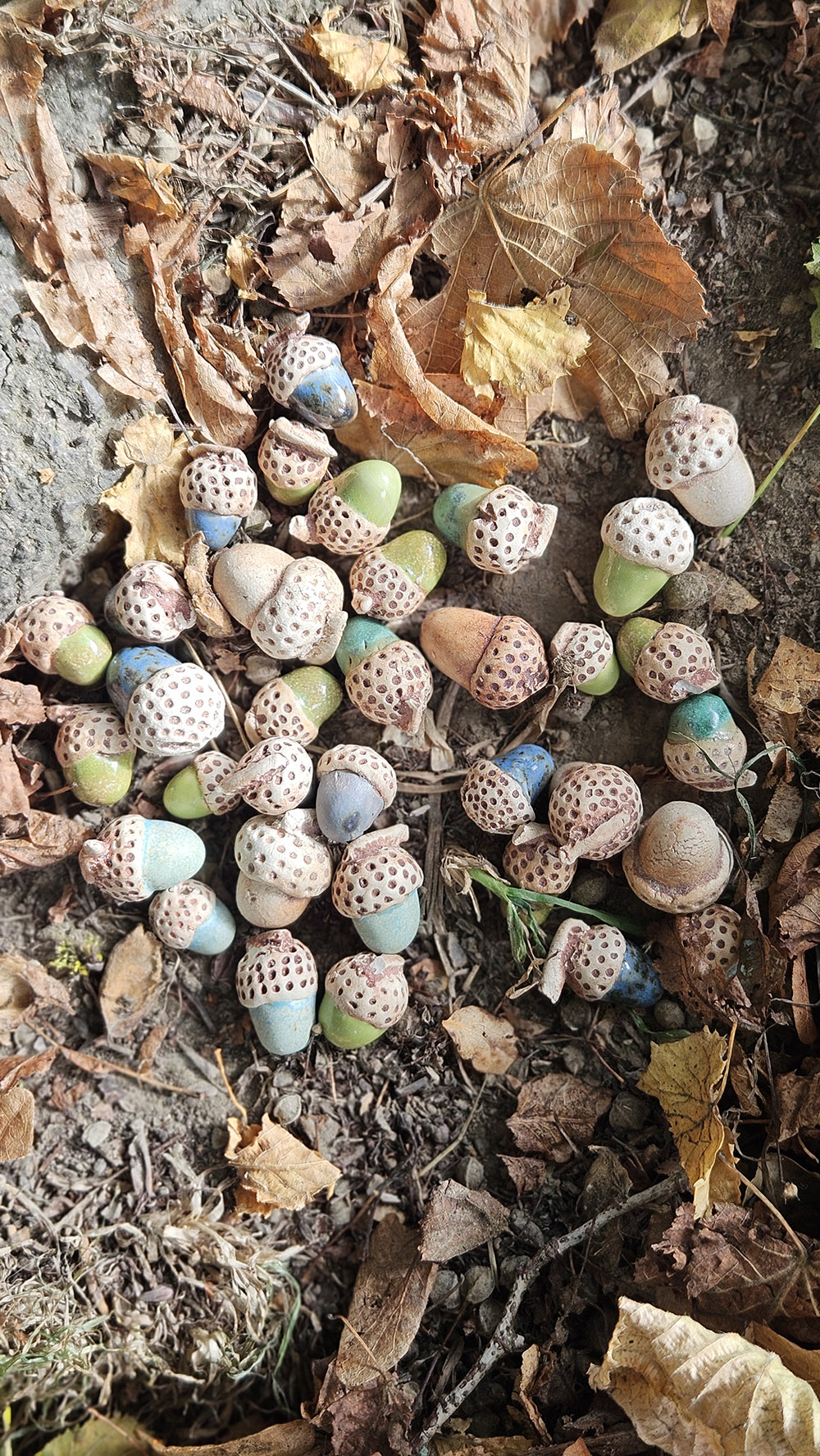
- Autumnal Claycorns
-
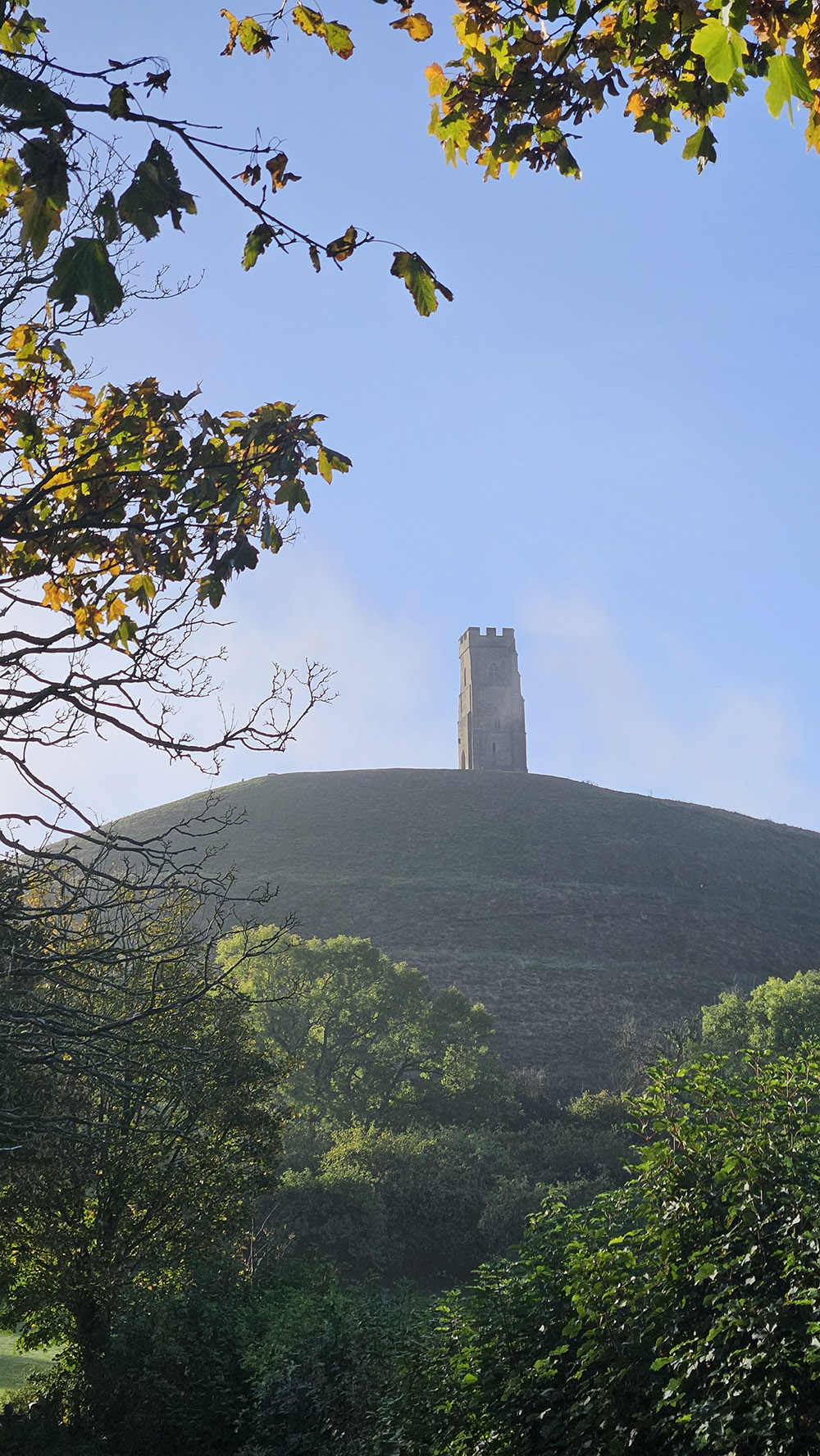
- Autumnal Tor
-
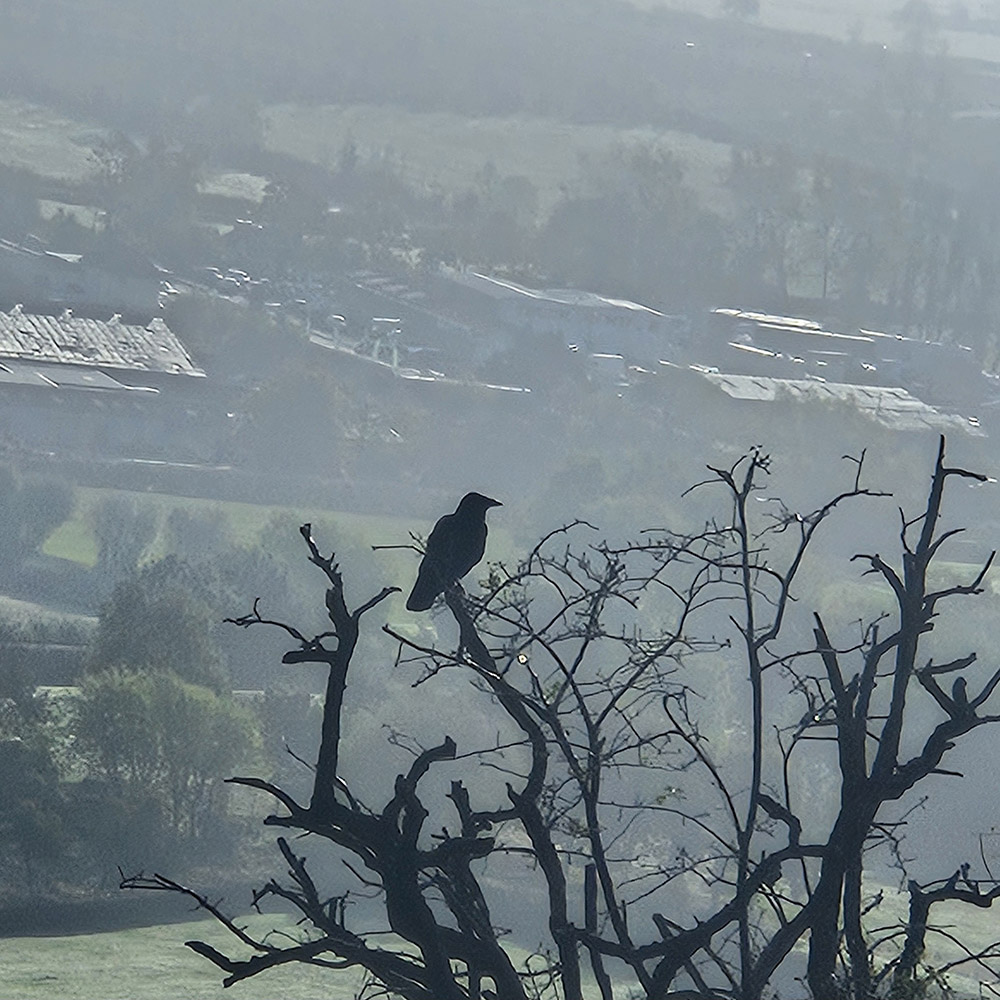
- Crow, Thorn
-
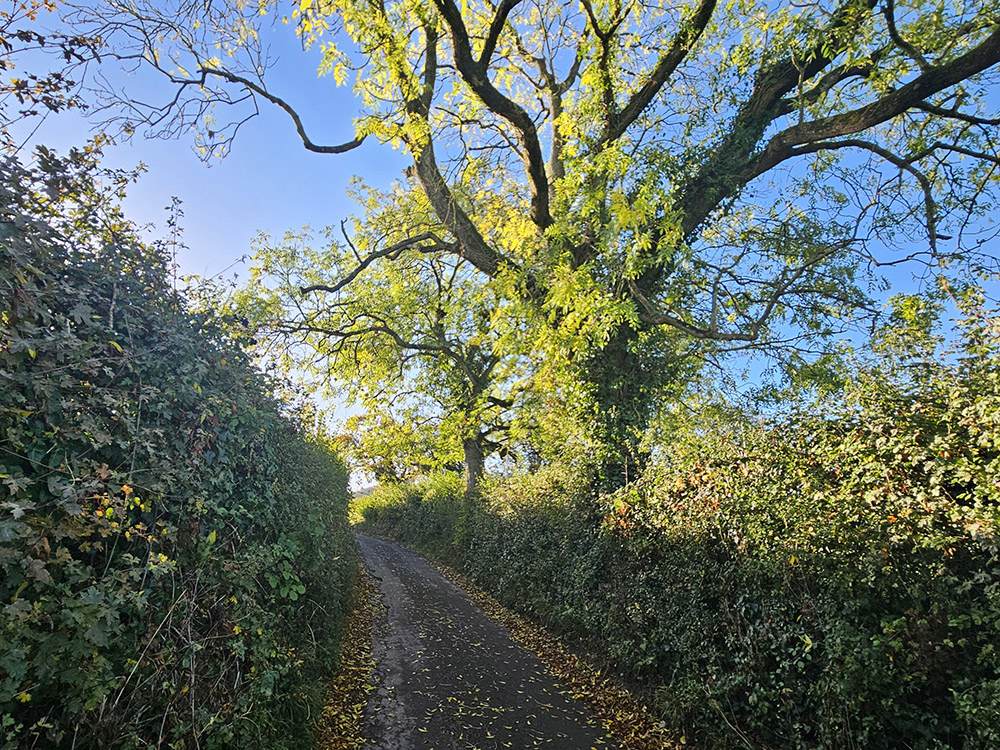
- Autumn Ash
-
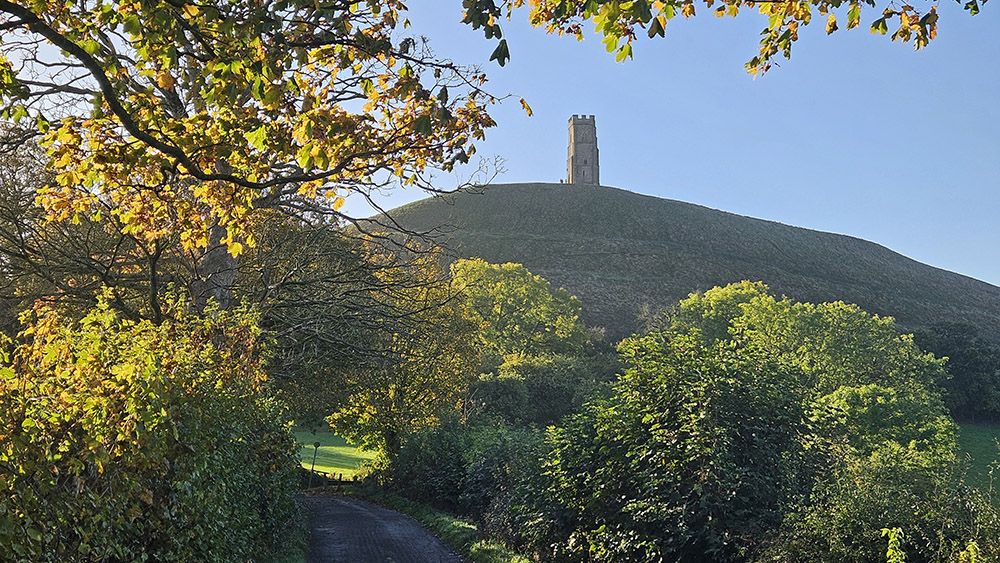
- Autumnal Tor
-
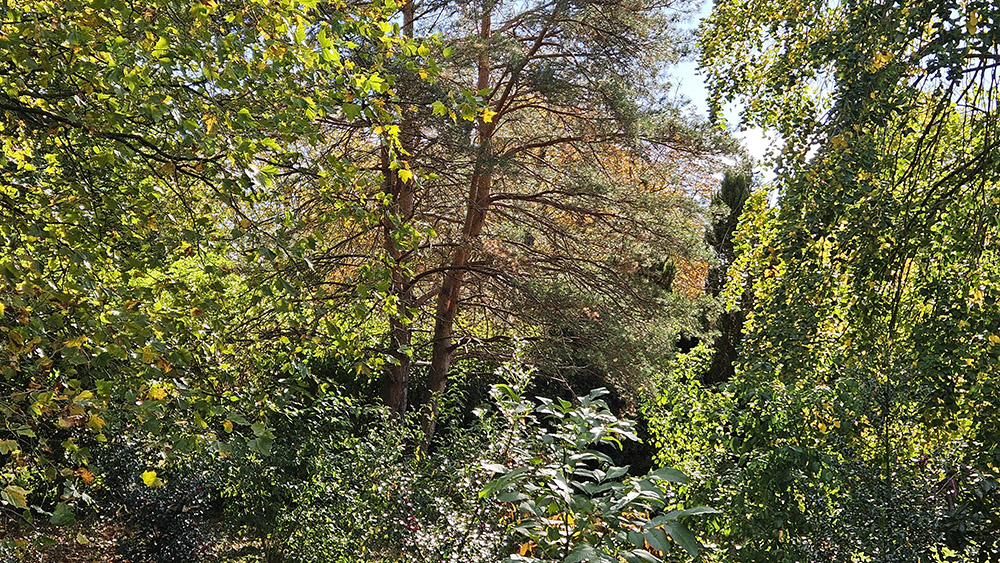
- Abbey Autumn
-
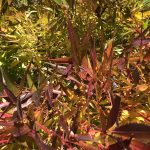
- Raywood Ash
-

- Raywood Ash

-
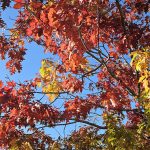
- Red Oak
-
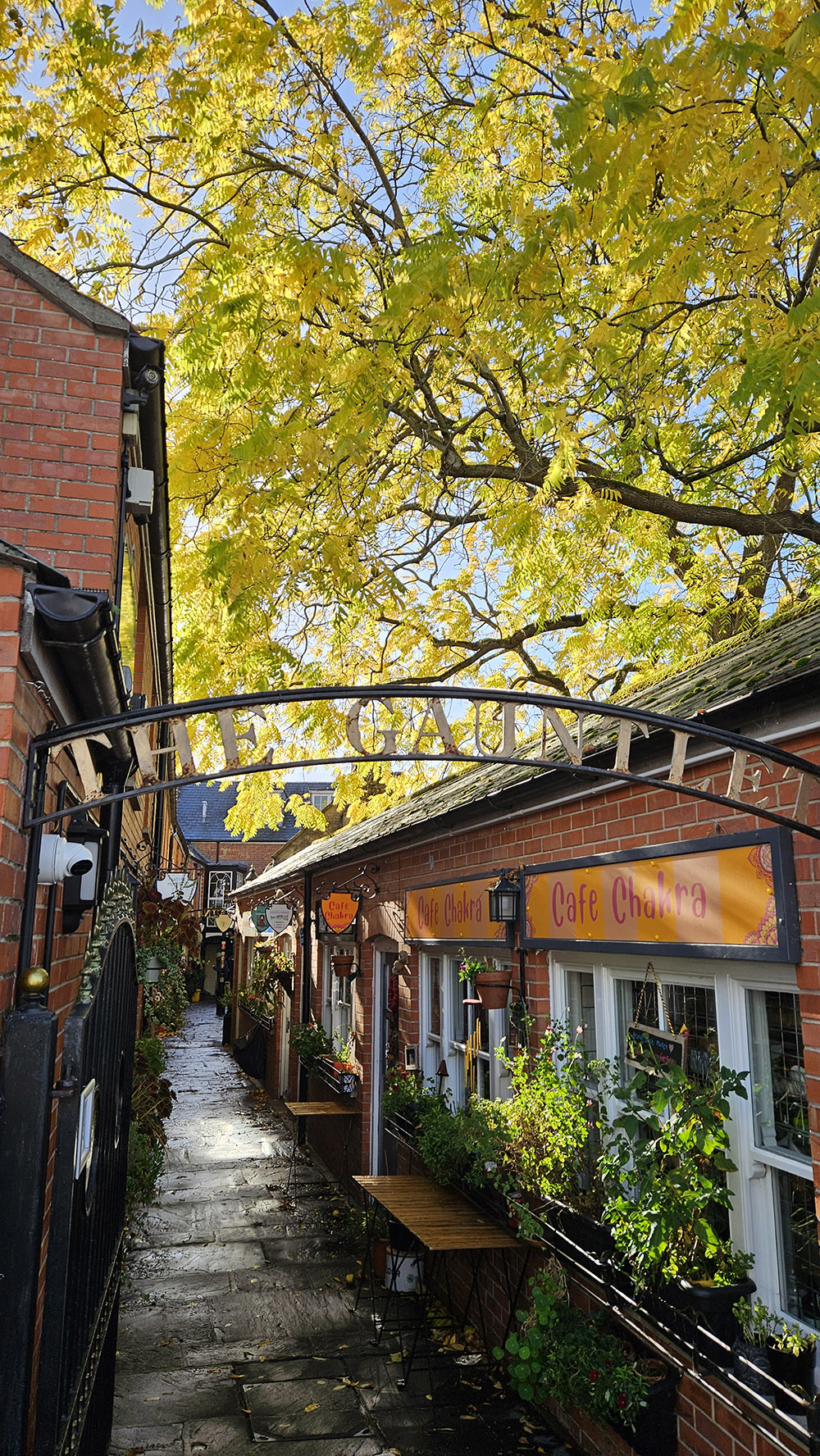
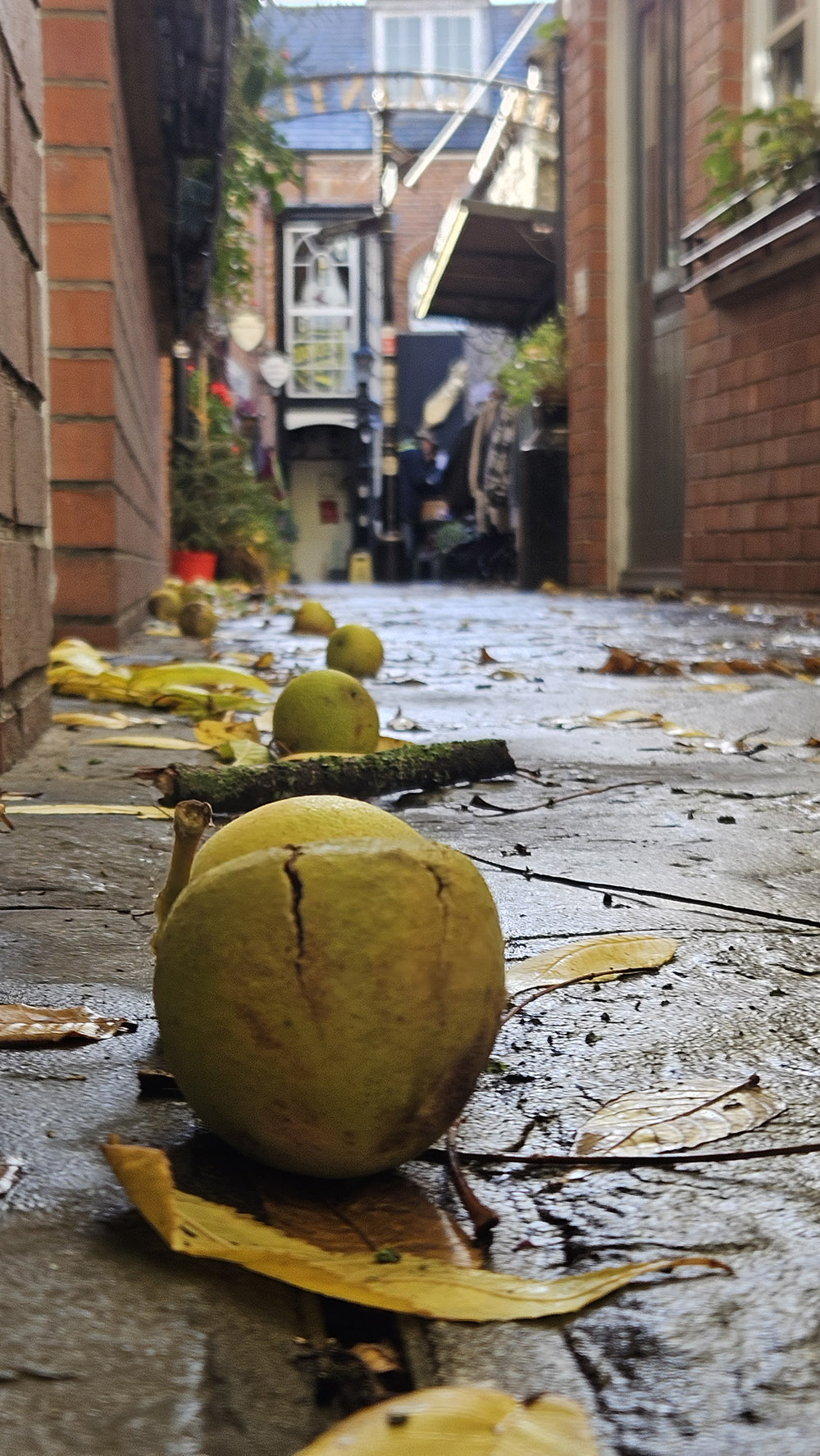
- Black Walnut – The Gauntlet
-
- Black Walnut – The Gauntlet
-
- Birch Leaf Art
-
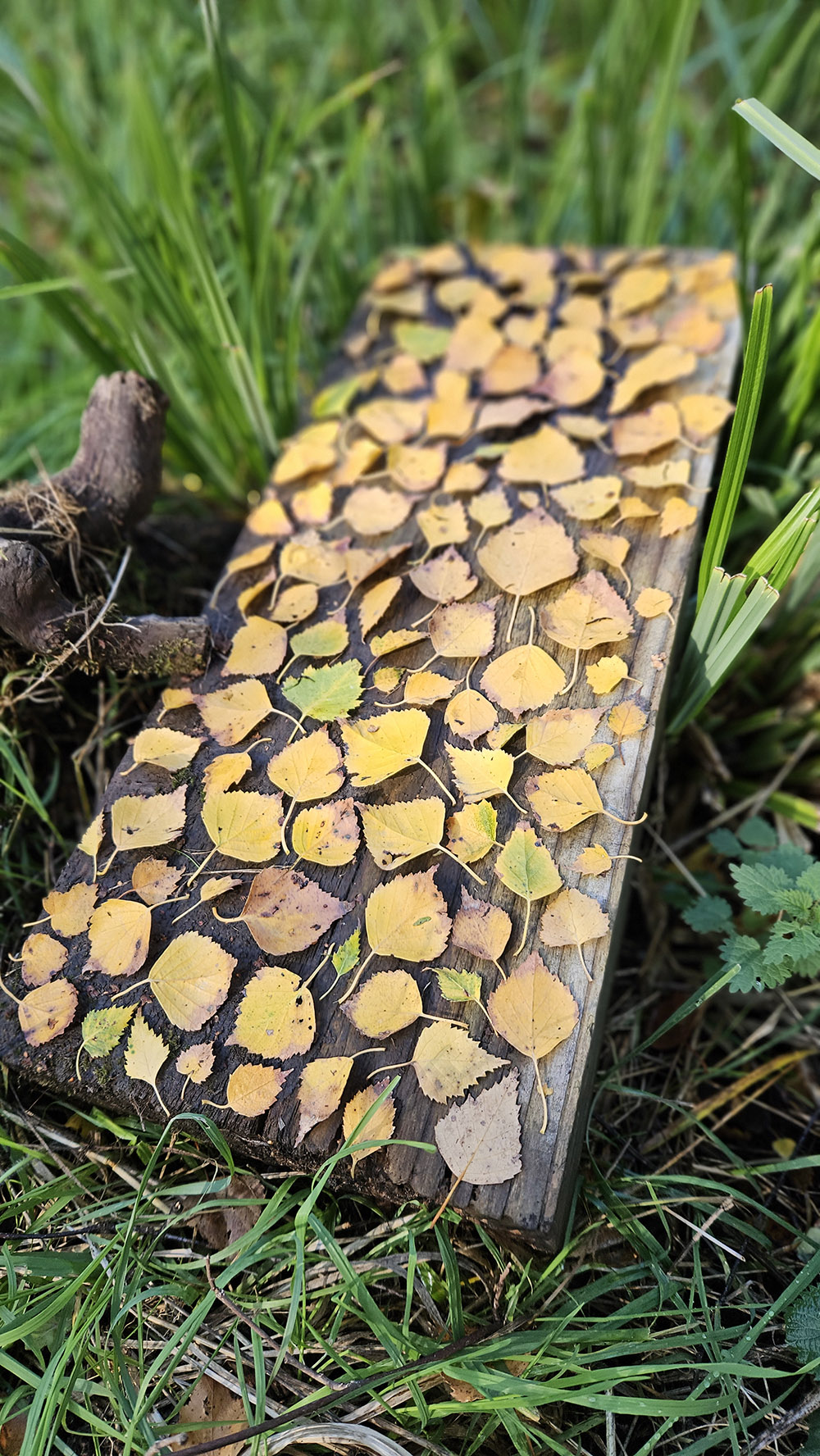
- Birch Leaf Art
-
- Tor View
-
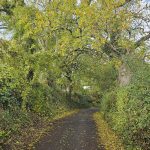
- Yellow Lanes
-
- Leaf Art
-
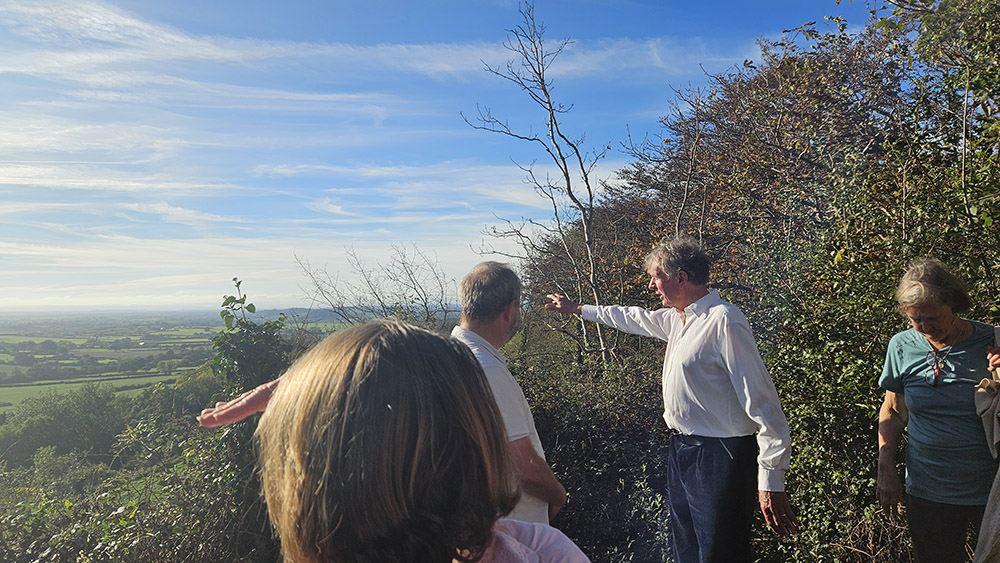
- Rupert Sheldrake
-
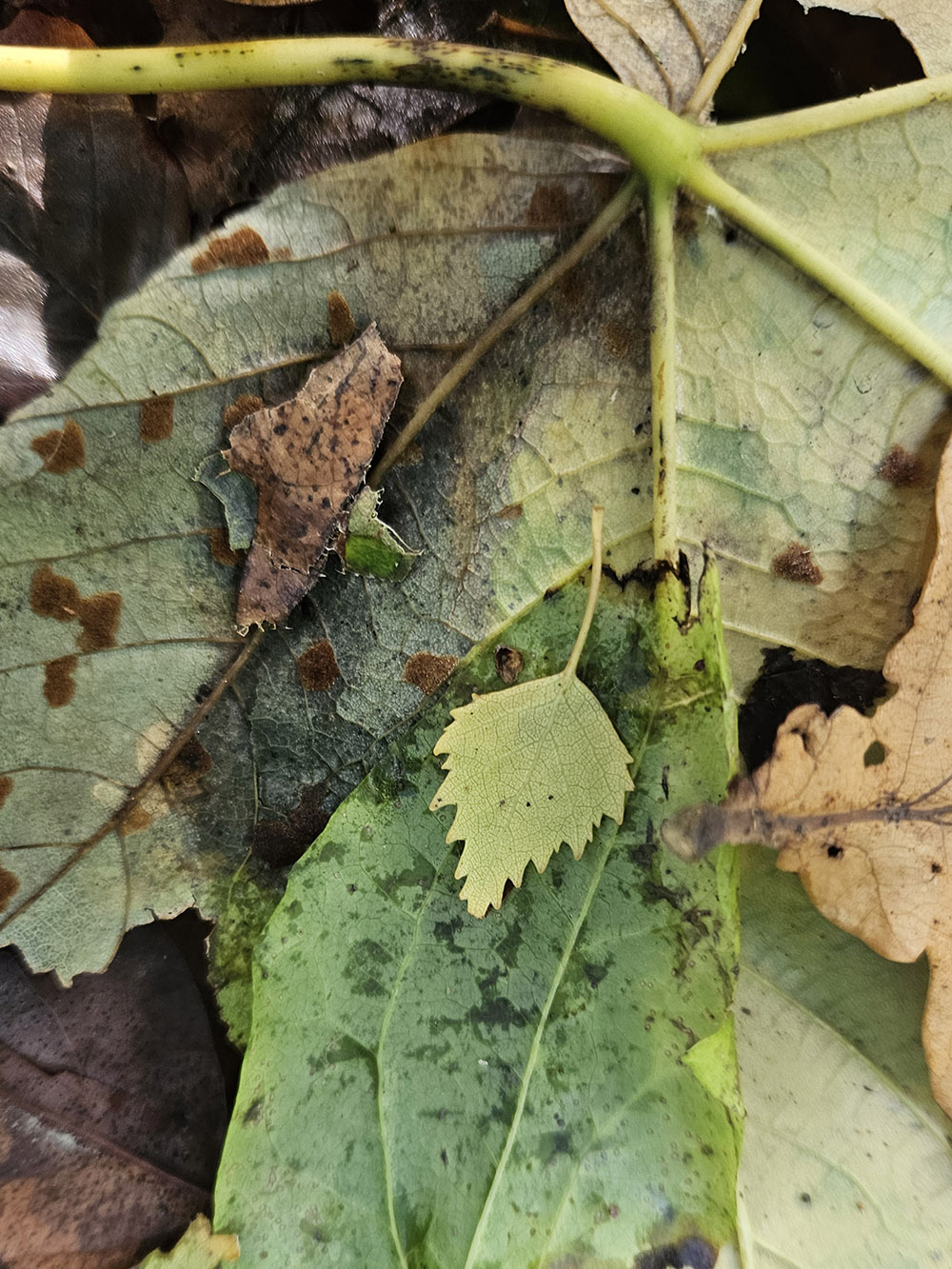
- Leaf Art
-
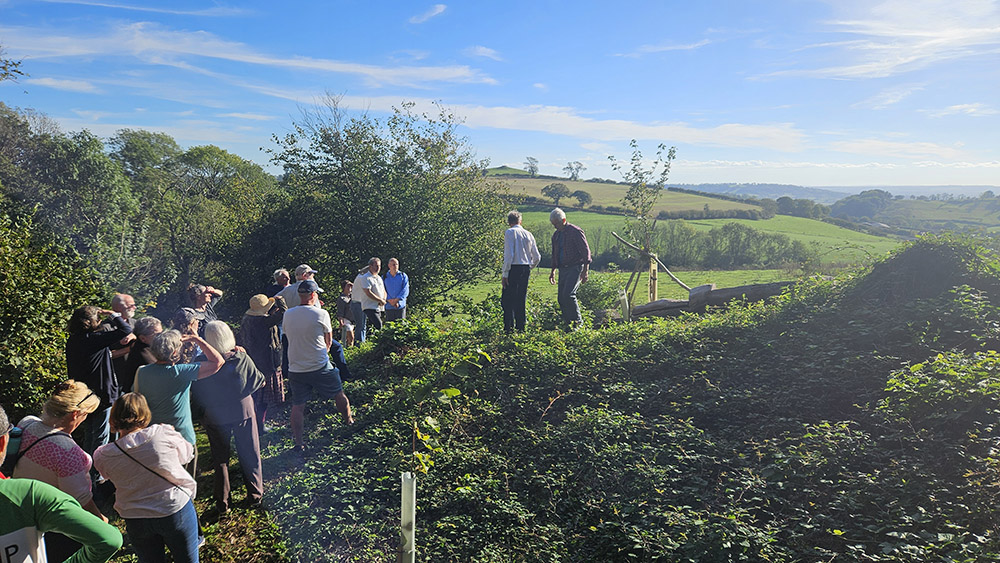
- Rupert Sheldrake
-
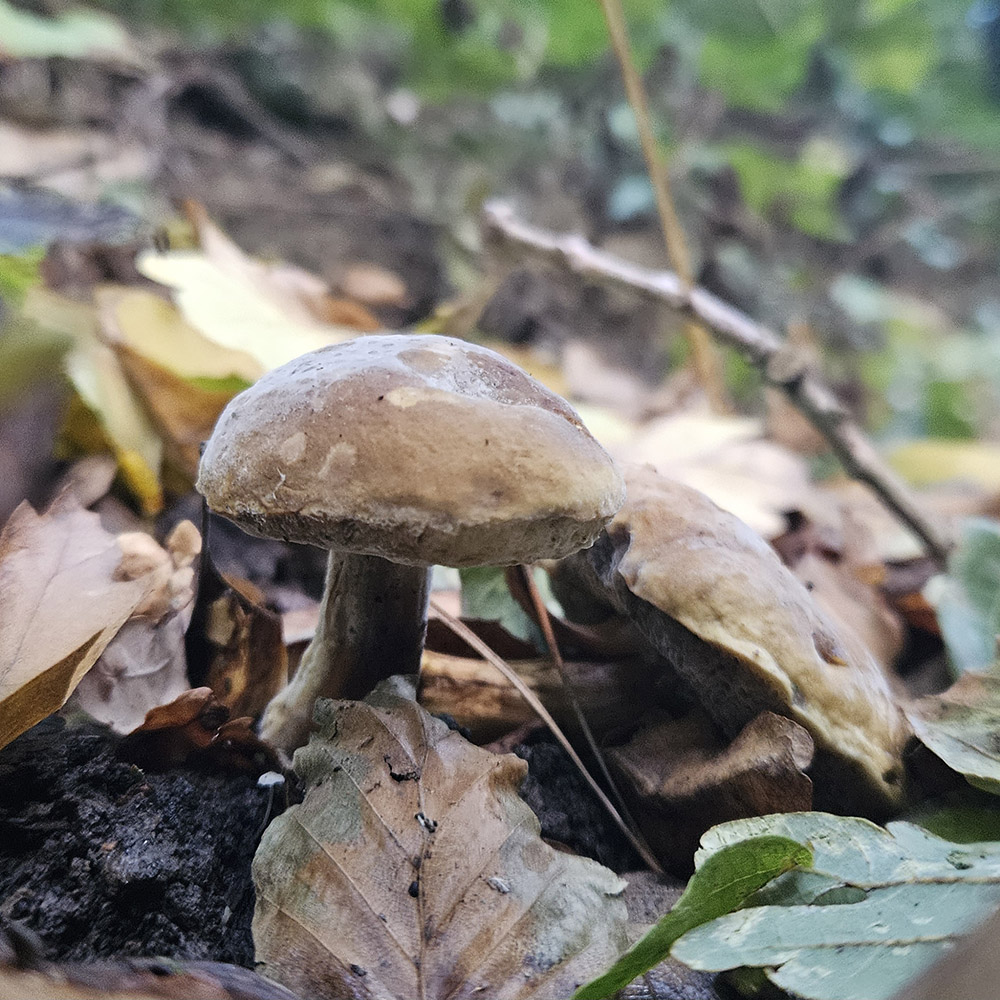
- Laneside Mushroom
-
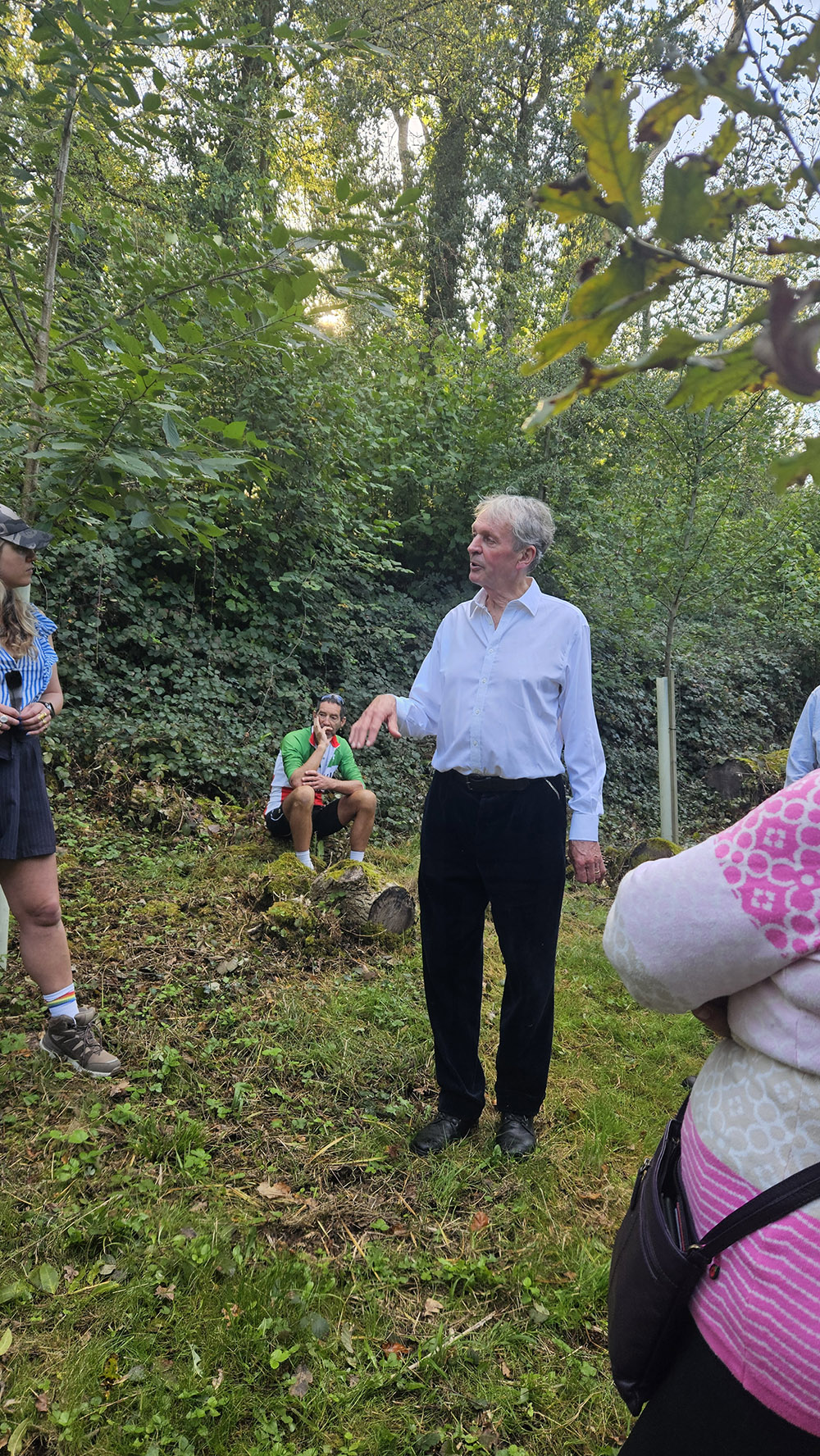
- Rupert Sheldrake
-
- Leaf Art
-
- Early Autumn Grandmother Lime
-
- Leaf Art