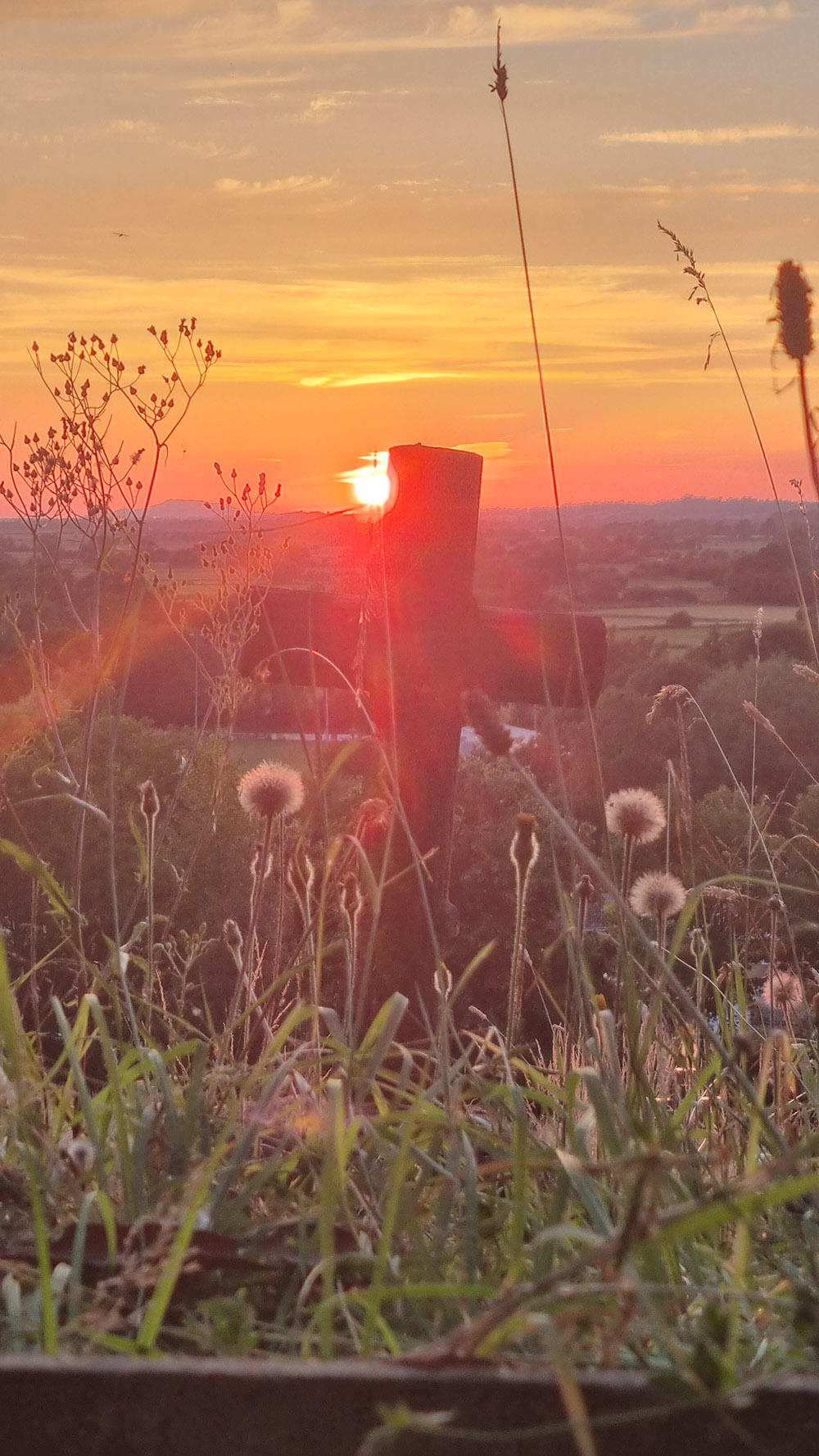
During the past few months, I have spent a great deal of time walking around Glastonbury Cemetery. I find it intriguing to investigate the graves and read the sentiments inscribed by those who were left behind.
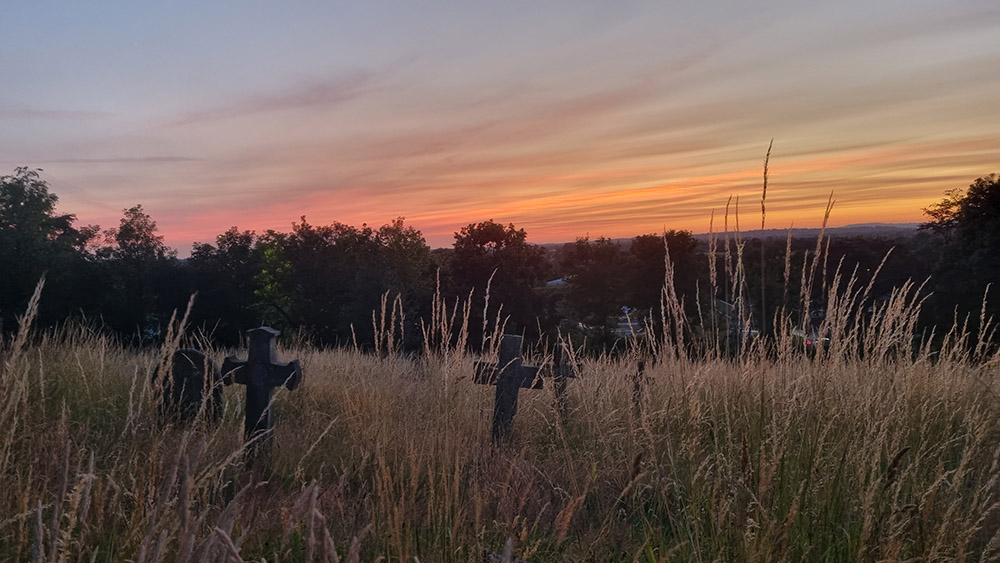
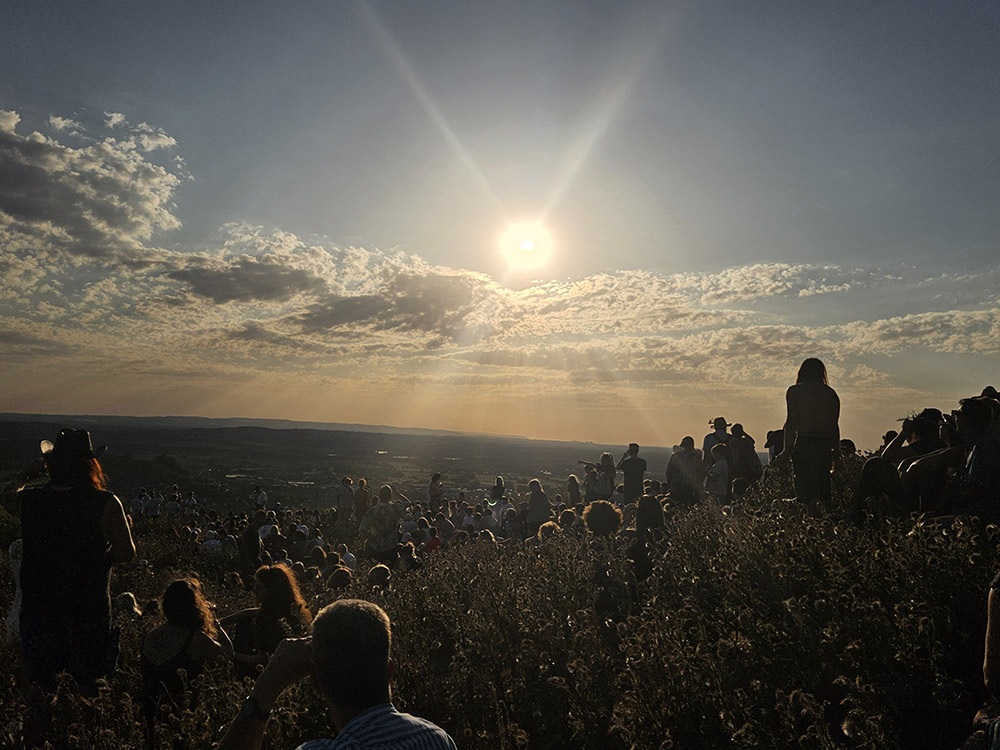
On a recent visit, while sitting in my regular spot for sunset, I was gazing at the graves and noticed something I had never noticed before; the stone in front of me stated the date of death as 5th November 1942. That’s exactly 40 years to the day before my date of birth. How I enjoy a beautiful moment of synchronicity.
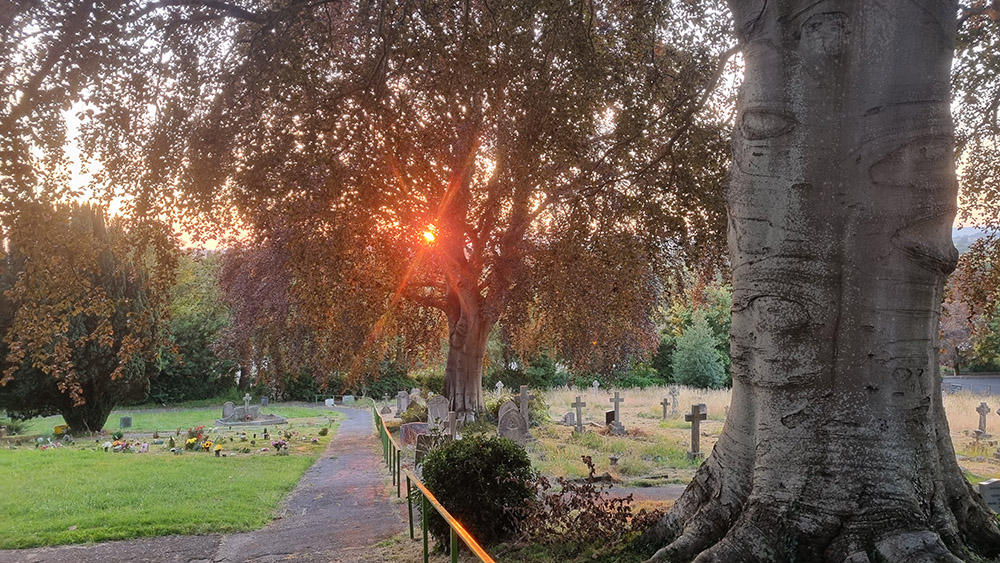
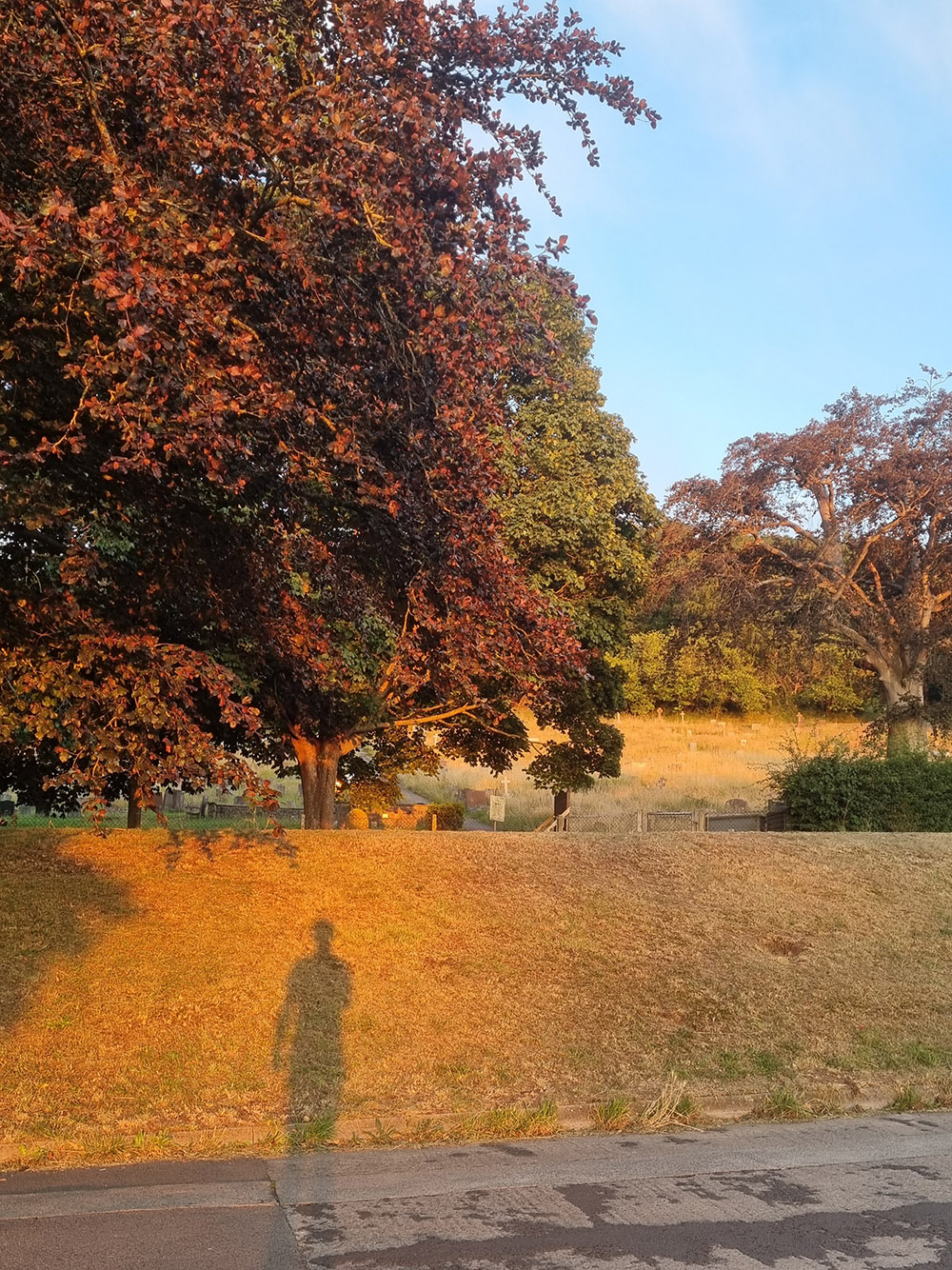
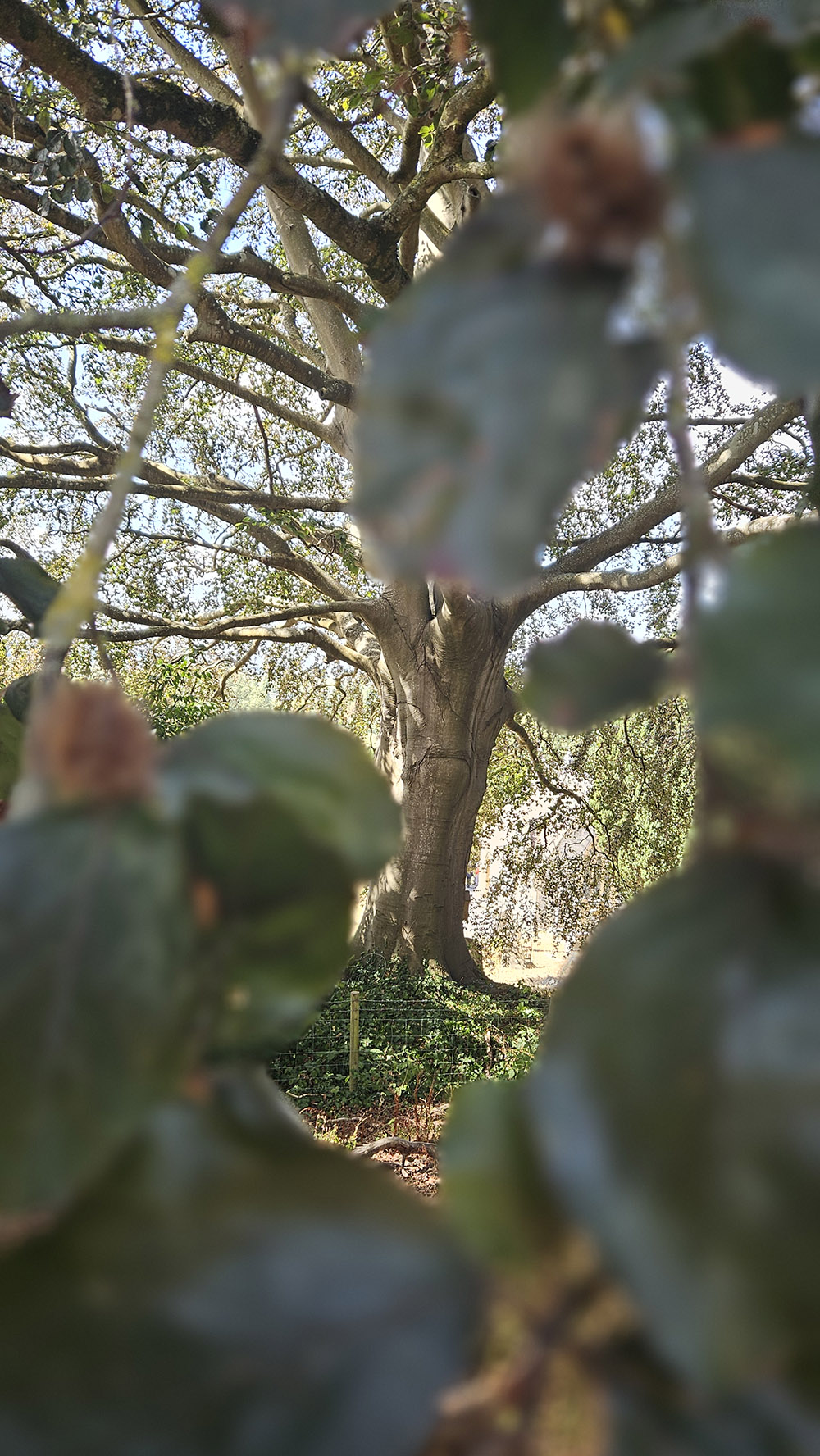
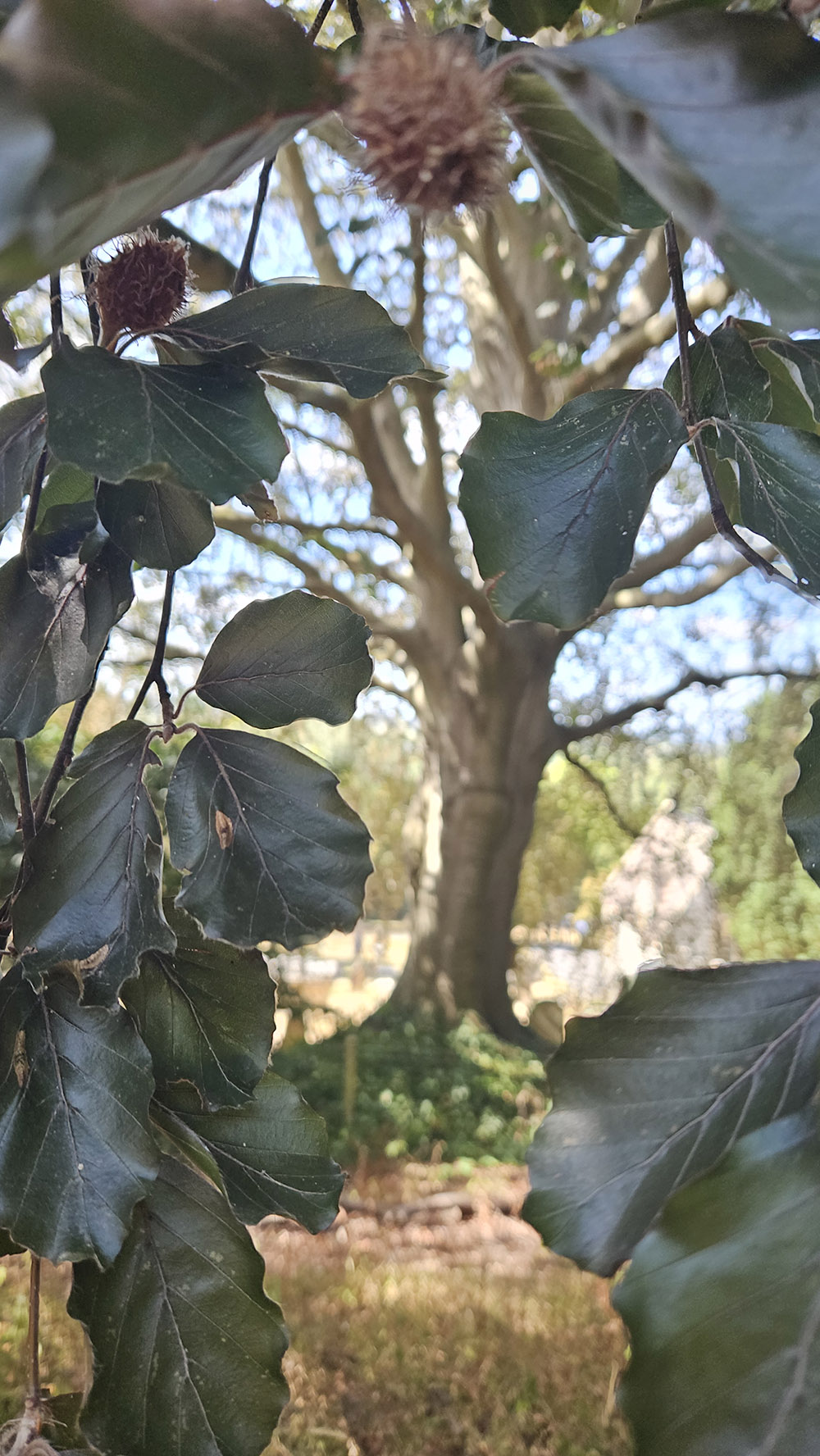
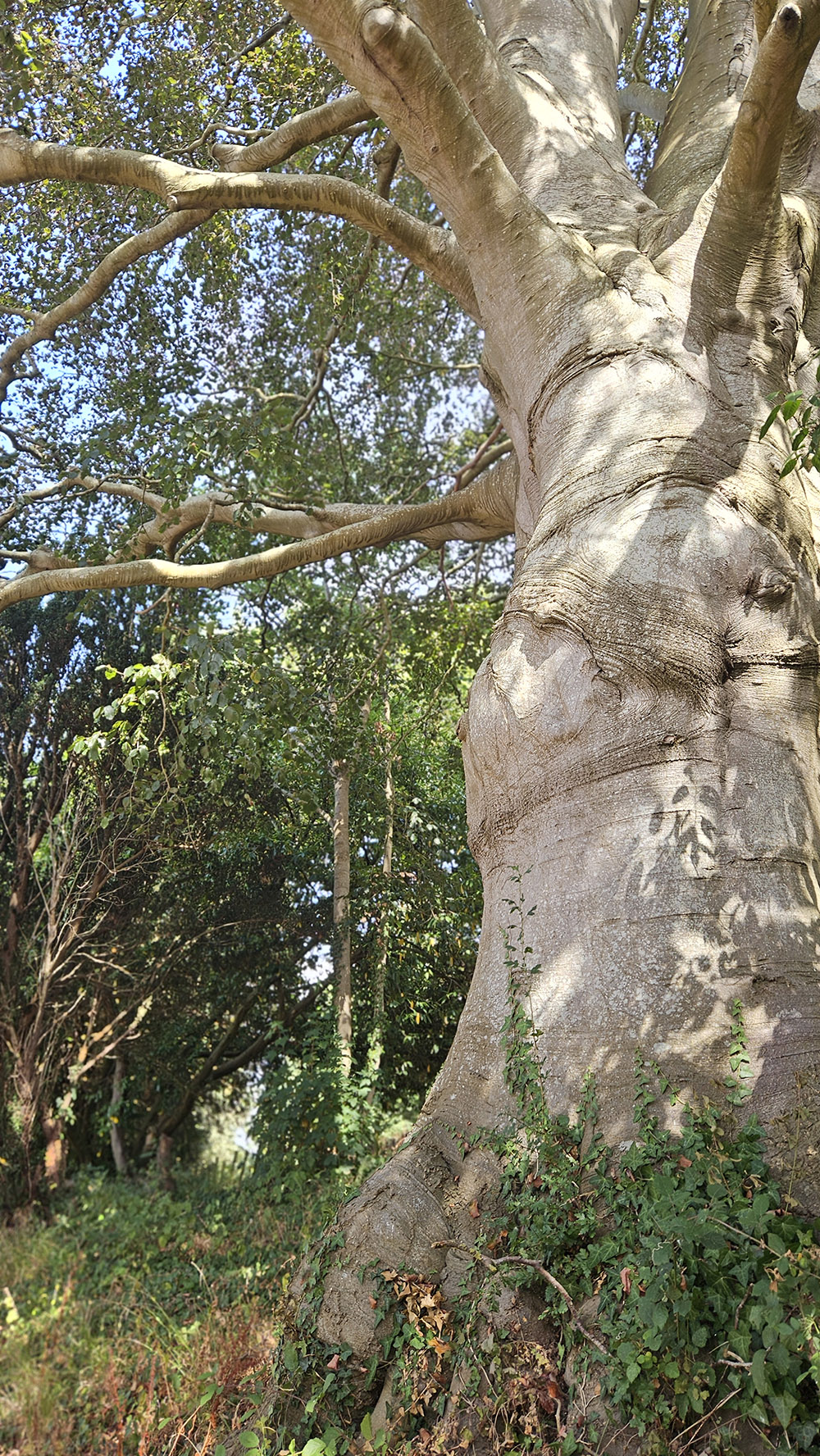
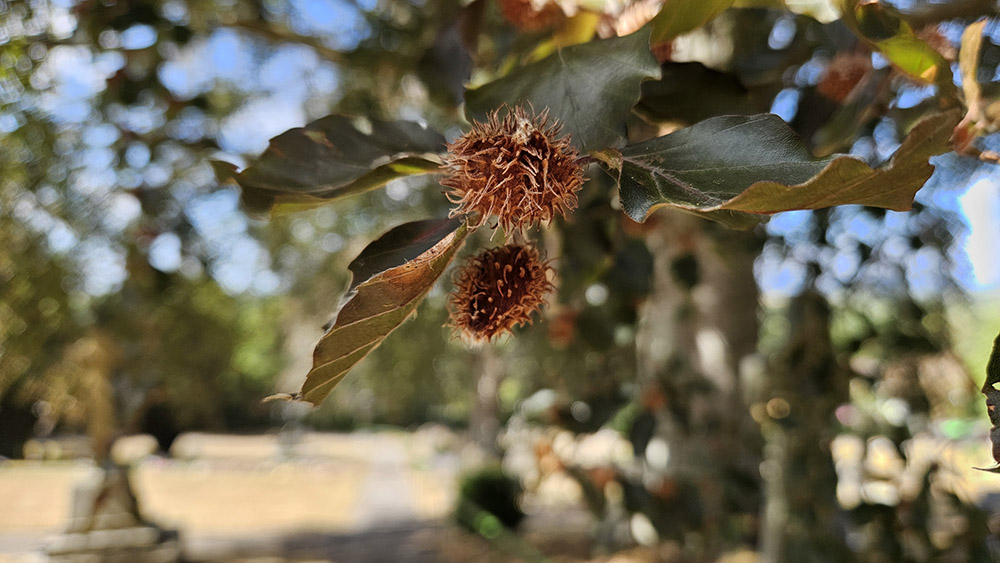
As well as serving as a beautiful spot to be laid to rest, the cemetery enclosure also provides a home for an interesting collection of trees. I walk the paths in varied routes which lead me into all four corners of the cemetery, as well as through its centre. Along the way I nod to each of the seven outstanding copper beech trees, stopping most often at the pair in the centre of the cemetery, two of the largest copper beeches in the area, which form a great pillared gateway right at the cemetery’s heart.
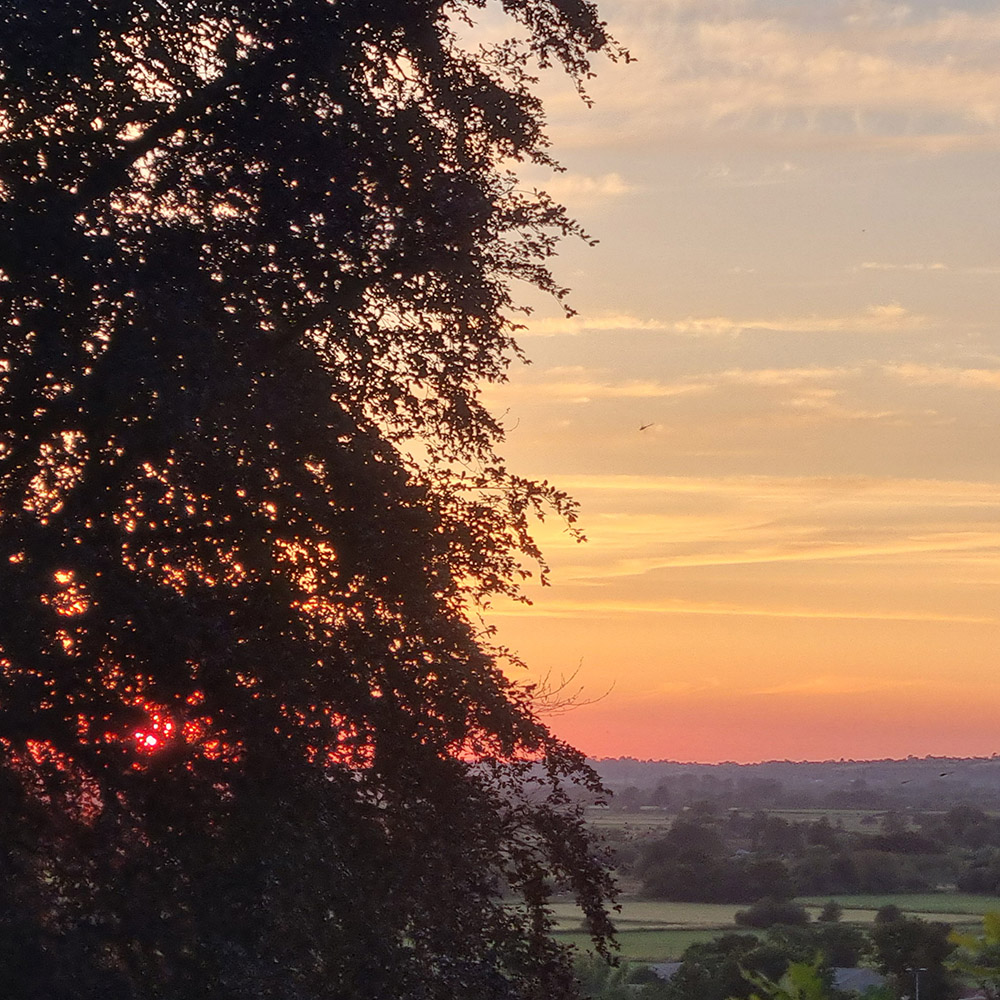
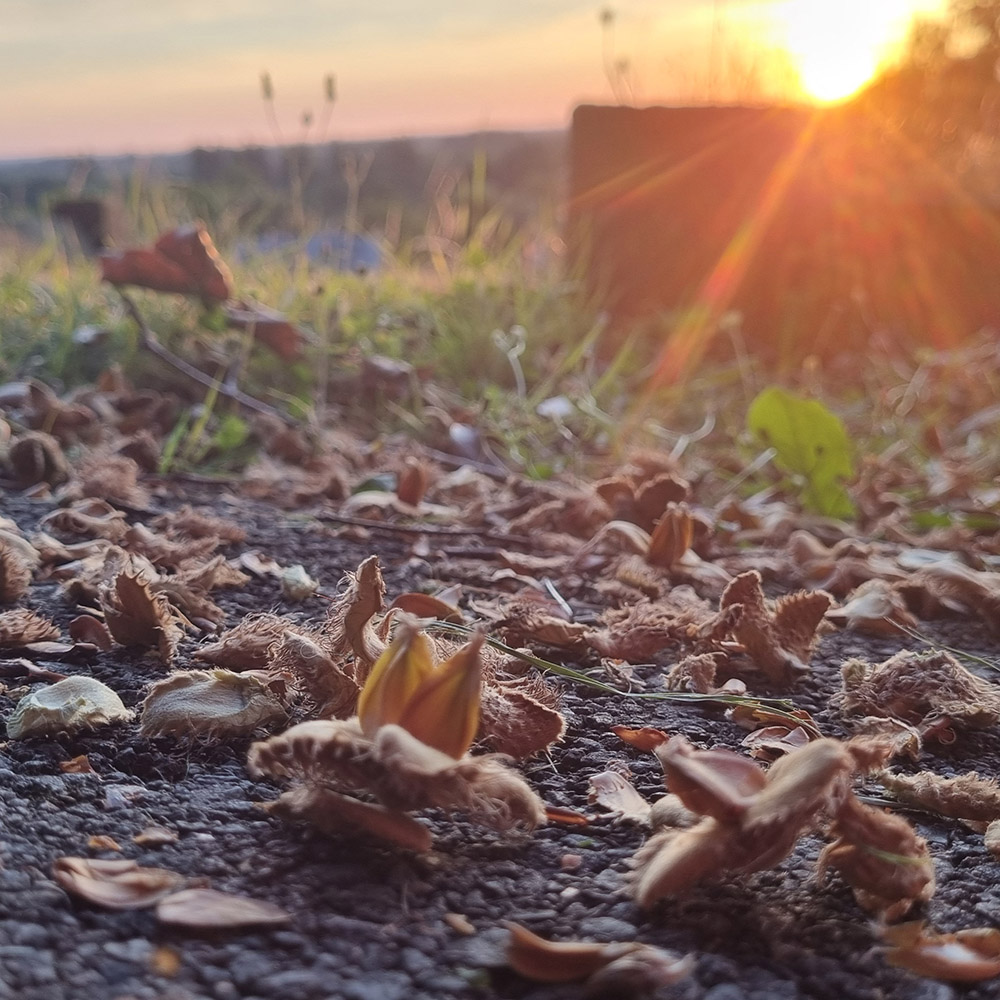
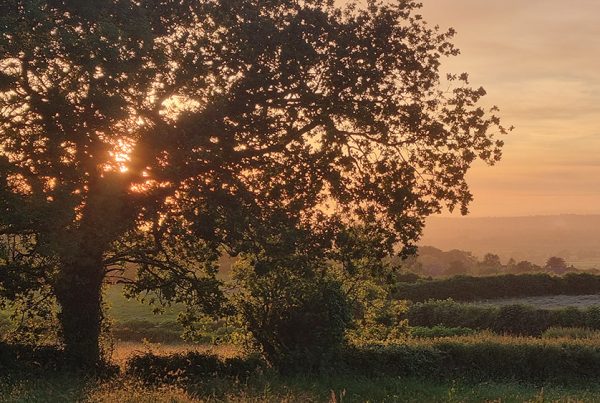
I have written in detail about the copper beeches in this article from July 2021, highlighting their angelic, statuesque forms and wide-open canopies. At this time of year they contrast interestingly with the goldened grasses, and with the cemetery sloping towards the west it’s the perfect place to enjoy an atmospheric sunset, which I have done numerous times this summer.
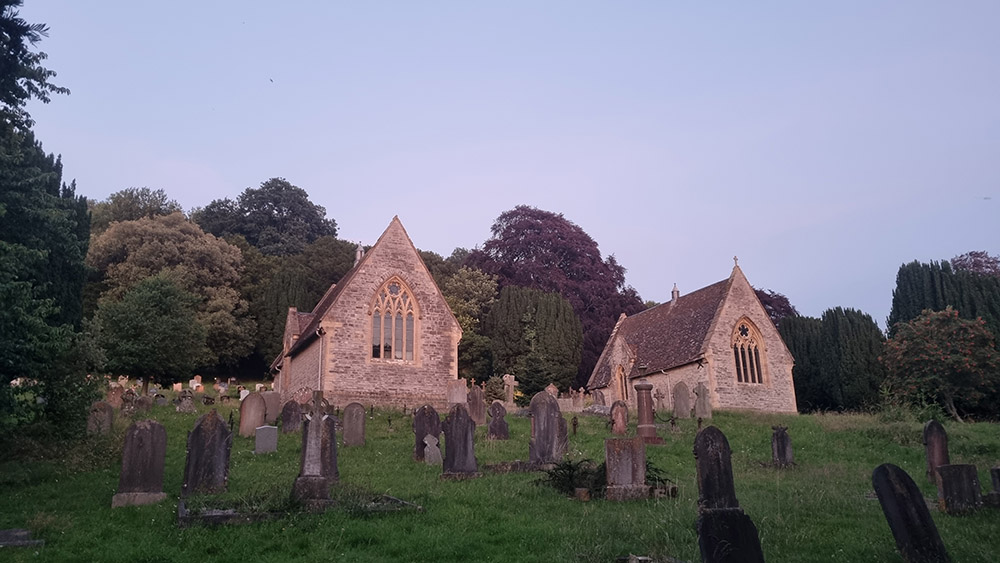
The cemetery opened in 1855 as a result of the town-centre churchyards becoming too full. Two chapels were constructed, one for Church of England burials and one for Nonconformists. Logic might dictate that the largest trees were planted when the cemetery was first laid out, making them around 150–170 years old. Certainly the girths of the copper beeches and the stature of the yews suggest this as a decent estimate.
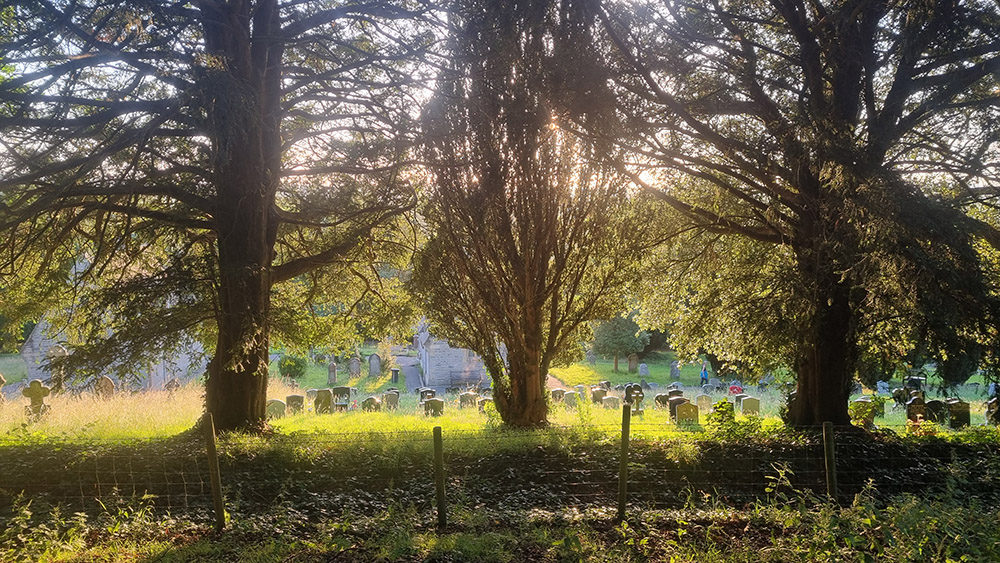
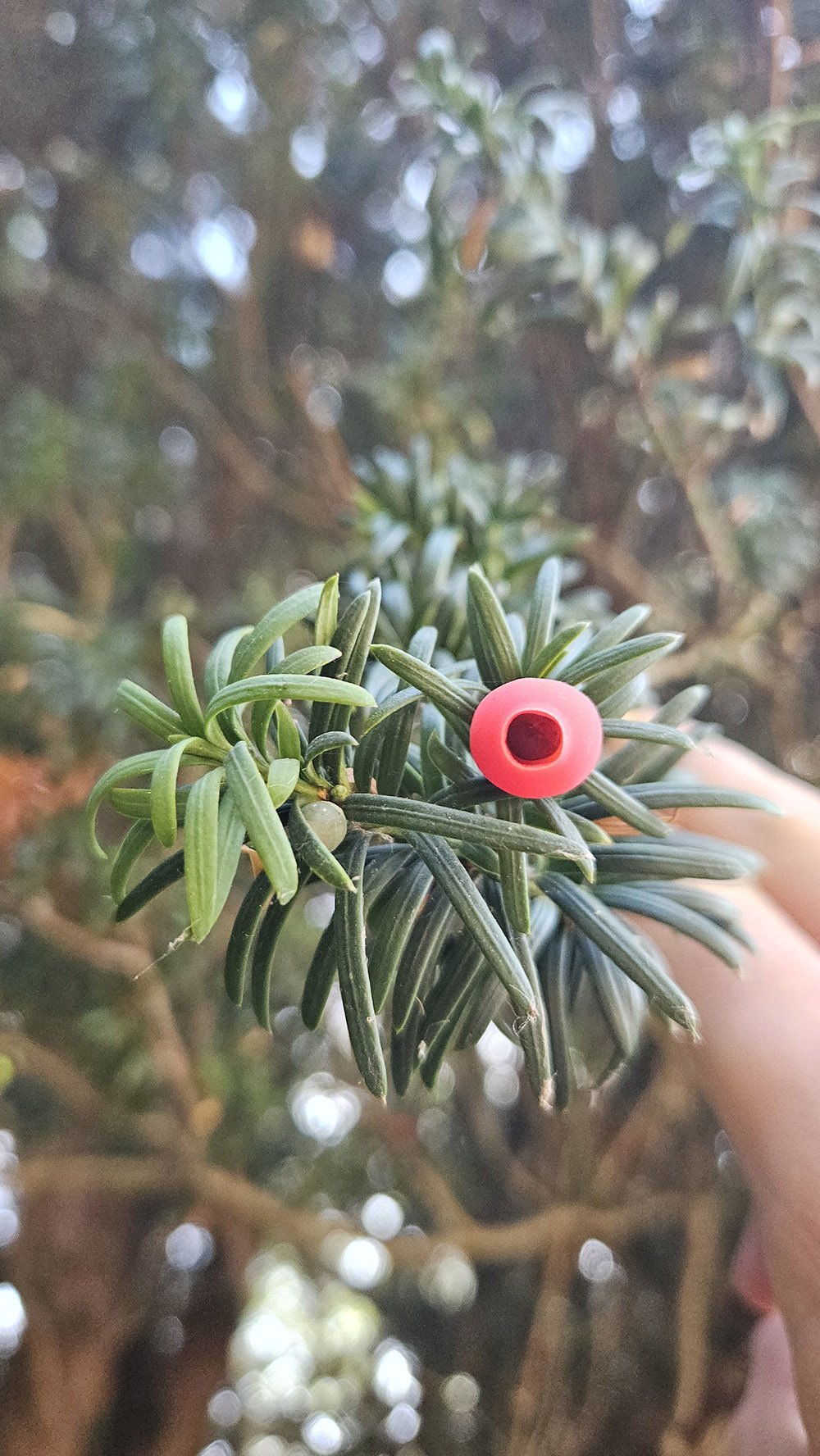
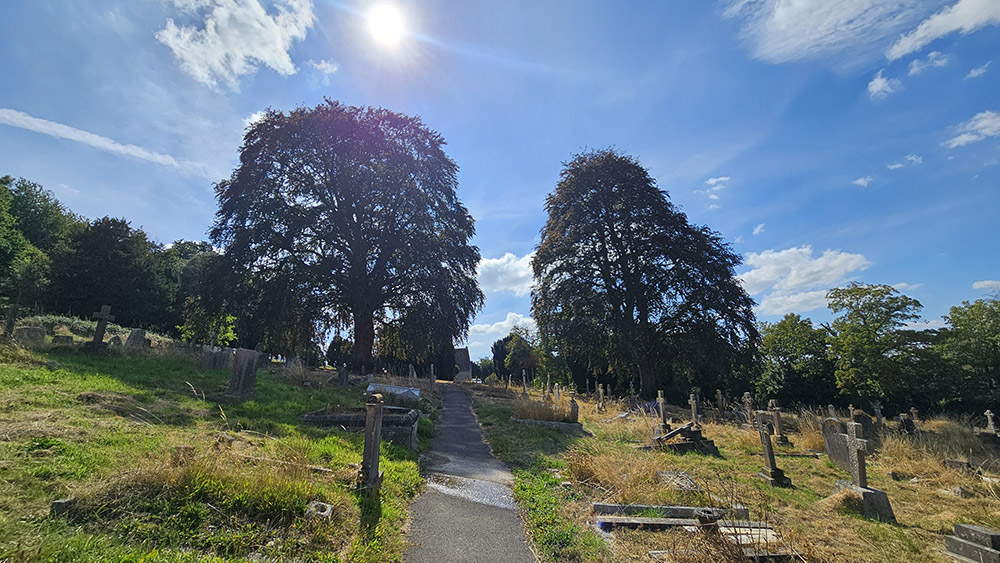 Overshadowed by the beeches is the cemetery’s collection of evergreens. An extraordinary gathering of yews can be found here, with English yews appearing along the east and west boundaries and Irish yews mostly planted around the chapels. I have counted 34 mature English and ‘Irish’ yews within the cemetery boundary, though I challenge anyone to count them and get the same number twice! This is certainly the highest density of yews in Glastonbury, and perhaps much further afield.
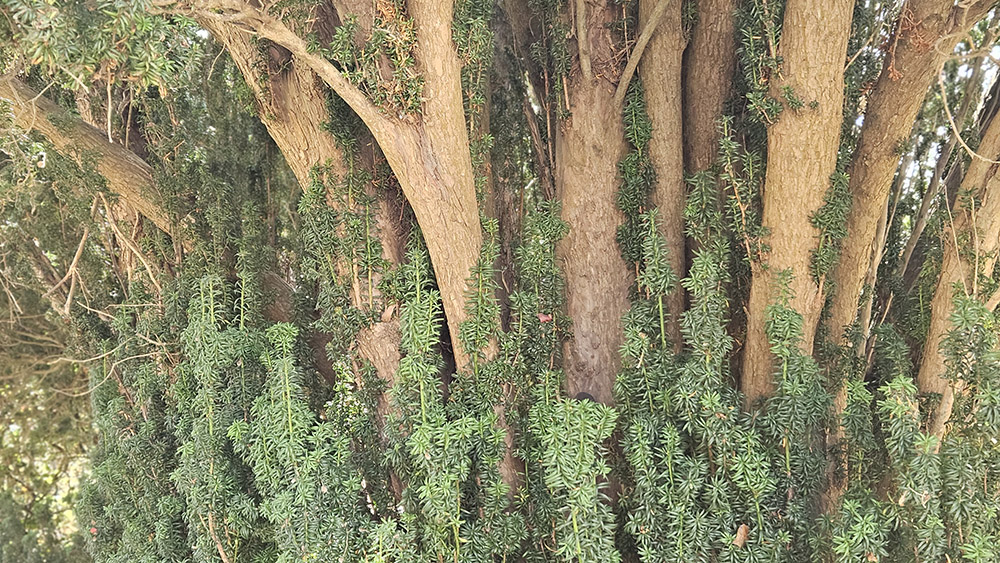 The Irish yews in particular are some of the finest mature examples. The Irish yew is so called because its cultivar originated in County Fermanagh in Ireland in the eighteenth century. An unusual upright form of our native yew was discovered growing on Cuilcagh Mountain and was taken to the Florence Court estate, where one of the original trees still survives today. By around 1820, cuttings were being commercially propagated and Irish yews began appearing in gardens and cemeteries across Britain and Ireland. In Victorian Britain, Irish yews were planted extensively in cemeteries and churchyards, often in rows and sometimes suffering the aesthetic torture of topiary treatment.
Irish yews are distinctive from our ordinary English yew in their form. They have a fastigiate growth habit, their branches reaching upwards rather than spreading out horizontally, while the needles radiate around the shoots rather than appearing in the flatter rows we associate with the English yew. The result is a much more upright, conical and bushy tree. Some of the Irish yews reach three metres in girth at their base, while the English yews vary from around one to two metres, many already developing the muscular fluting characteristic of mature yews and consistent with trees approaching 200 years old.
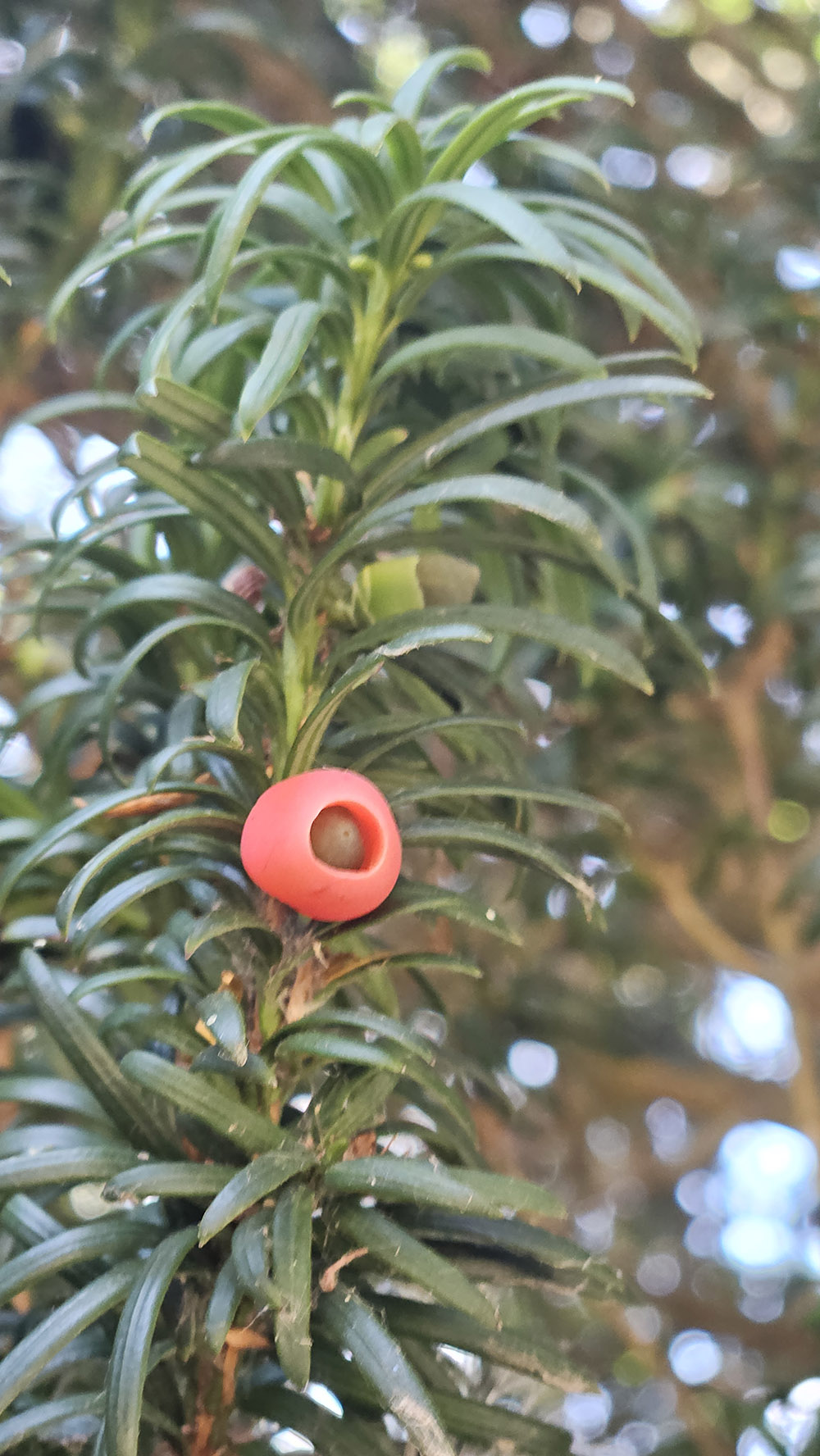 Yews are predominantly dioecious in their reproductive technique, which means separate trees carry male and female flowers. The original Irish yew was female and, because a true Irish yew is propagated from cuttings rather than seed, its descendants are clones of that original female tree. This means that a true Irish yew should also be female and, when pollinated, produce those familiar red arils in late summer and autumn. If we attempt to grow one from seed, the offspring generally reverts towards ordinary yew behaviour and loses the distinctive upright habit.
It is common to find a certain selection of evergreens within cemeteries and Glastonbury is no exception, the most numerous tree being the yew, closely followed by the evergreen holm oaks. Holly, cypress, laurel and bay can also be found within the bounds. Evergreen trees carry the symbolism of continued life and, while the rest of the landscape apparently dies back in winter, they remain green. It is part of the same symbolism that brings holly into our houses at Christmas, and a similar pattern of planting can be found in many cemeteries and churchyards.
The yew also has a more direct association with funerals, with documented traditions of mourners carrying sprigs of yew and placing them into the grave with the deceased. Further afield, around the Mediterranean, the cypress came to occupy a similar place in the landscape of death and remembrance. Besides their evergreen nature, these trees also provide an aromatic presence, especially the cypress and bay, whose distinctive scents drift in and out of consciousness as one proceeds around the paths.
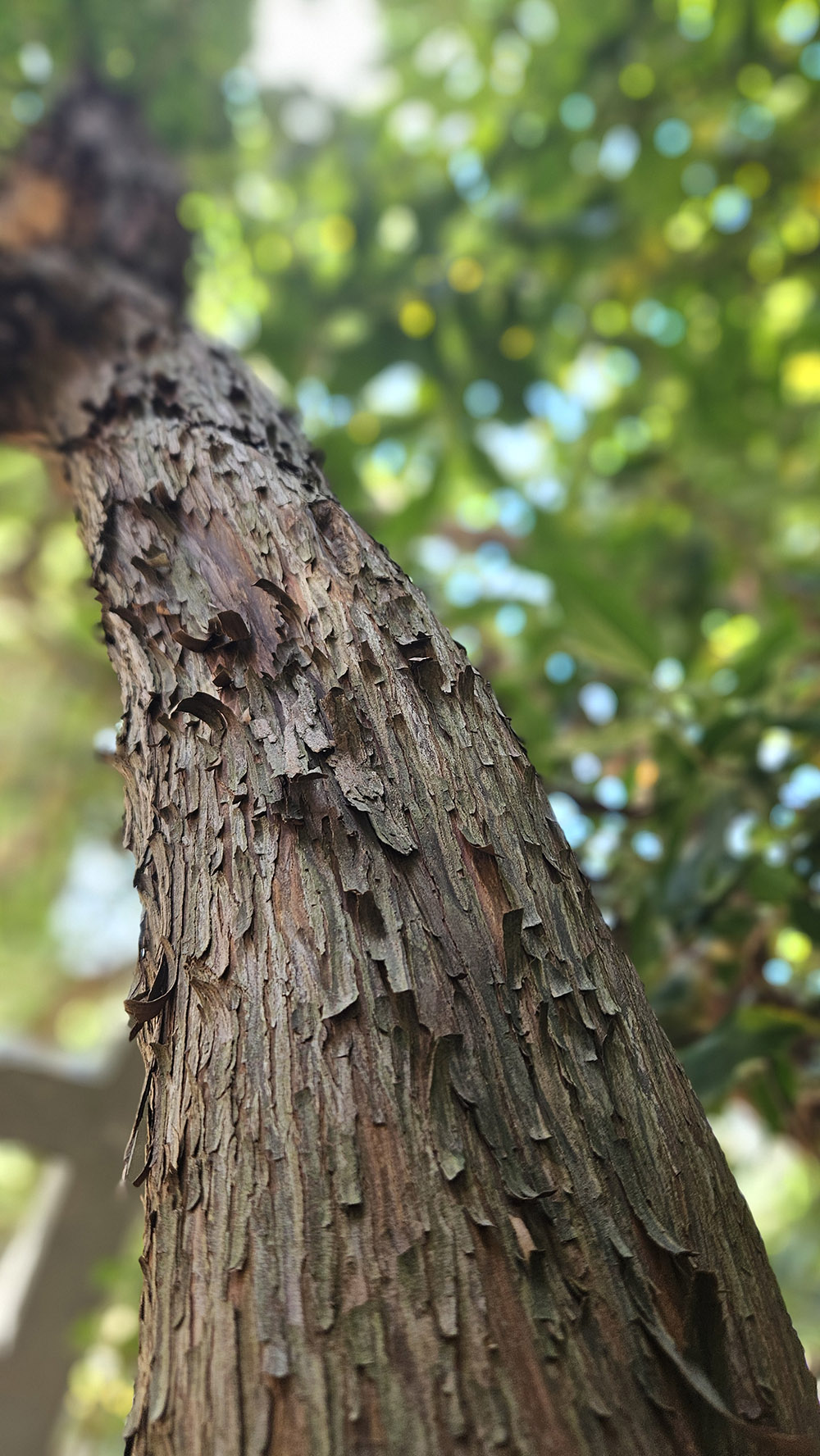
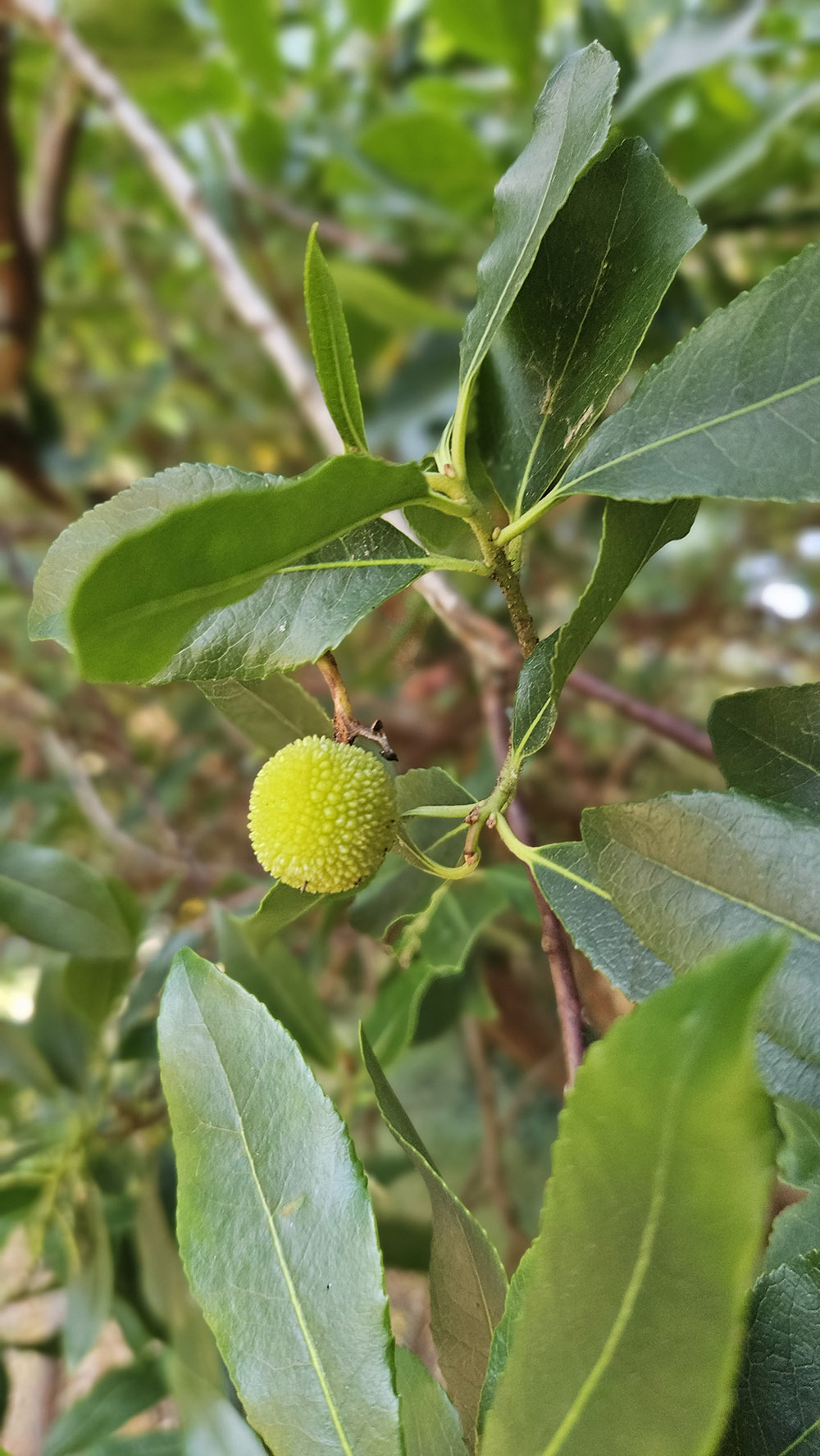
Upon the top path, towards the south-east end, a strawberry tree reaches out from the bank, now propped up by a stilt to save its main branch from cracking. The strawberry tree, Arbutus unedo, is an evergreen native principally to the Mediterranean and western Europe, although, fascinatingly, long-established wild populations also occur in western Ireland. It has an interesting reddish-brown, textured bark and produces quaint little white lantern-shaped flowers in autumn. The fruits take almost a full year to ripen, becoming rough, round and strawberry-red, meaning that flowers and ripe fruit can sometimes appear on the tree at the same time.
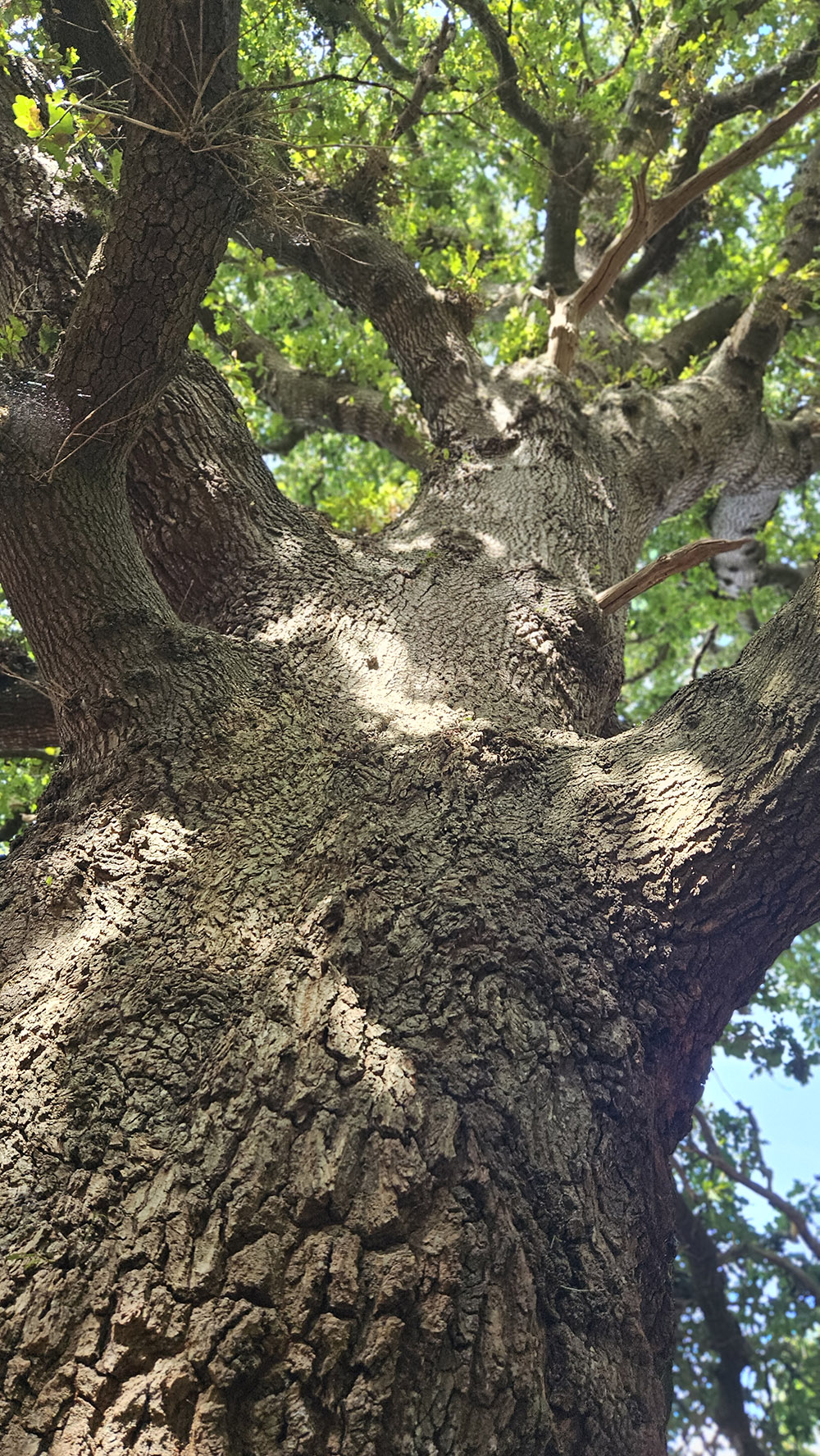
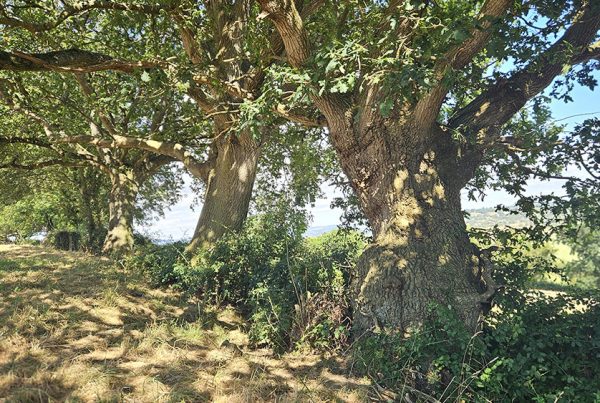
Behind the main cemetery is a green burial area, accessible via kissing gates along the top boundary. Here stands the largest tree on the site, a notable English oak measuring somewhere around three to four metres in girth and likely predating the creation of the cemetery.
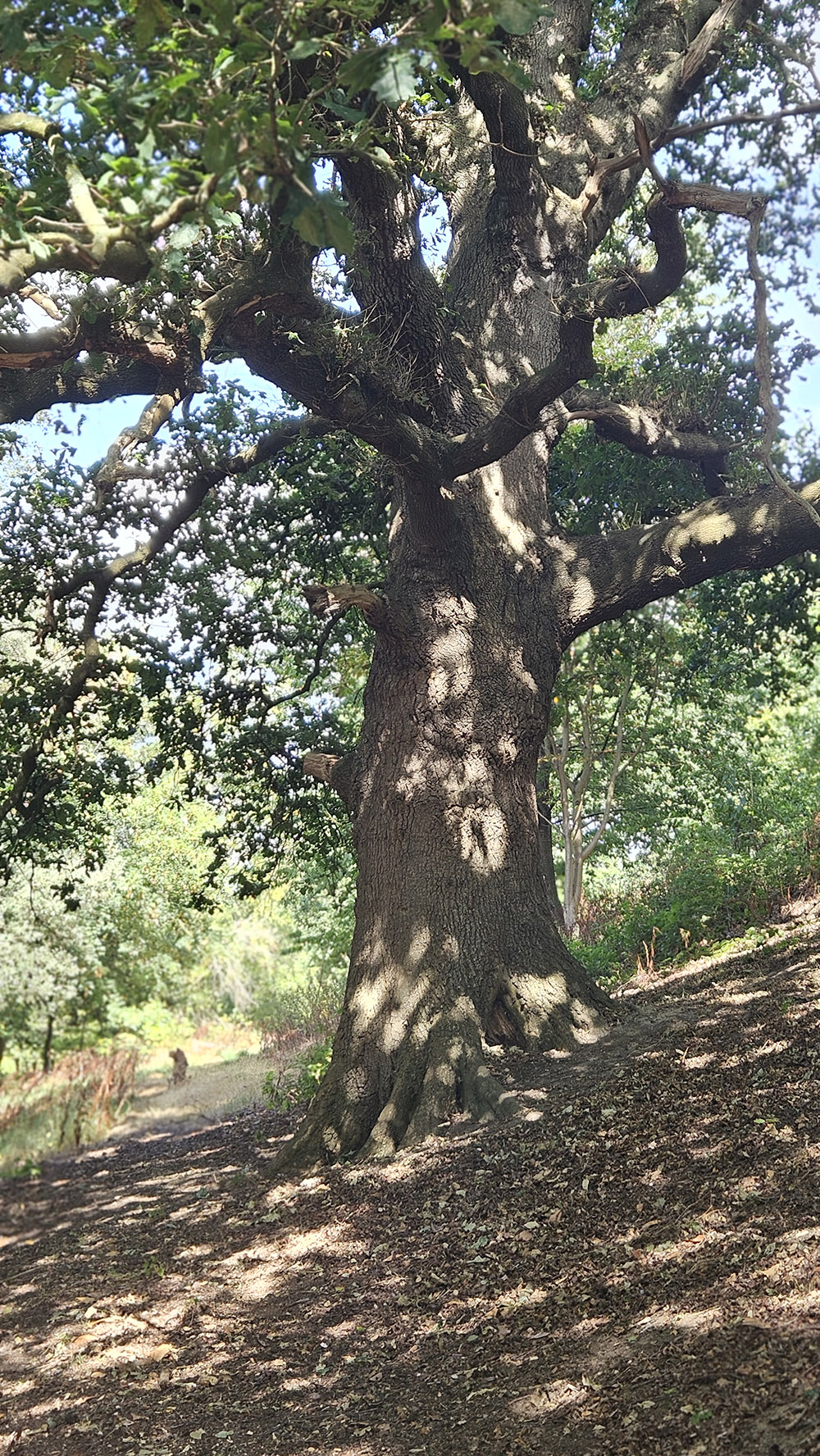
The oak displays some veteran features, including a couple of wounds / hollows in its base. It sits directly upon one of the large banks that run across Edmund Hill. These earthworks survive particularly well in this location, lying partly beneath a young woodland. I imagine most of this hillside was once layered with similar banks before many disappeared beneath buildings and roads.
Archaeologically, they have been recorded as medieval strip lynchets: agricultural terraces created and enlarged through cultivation. Surveys also record old field boundaries immediately to the north-east which may be Romano-British or Iron Age in date.
In the higher parts of the cemetery some of the banks rise three or four metres, with very little level space between them for the purpose of growing. Their scale and construction bring to mind the shaped banks of Avebury or Durrington Walls, Old Sarum in my home town of Salisbury, and indeed the terraces in and around the Tor itself.
Following these terraces up into the south-east corner of the cemetery leads us to our final tree. A characterful ash sits at the very top of the terracing, hanging over the green banks and presiding over the cemetery as it slowly fills with the memories of passed people. This is a female ash, producing a prolific crop of keys each year. Its gnarled and characterful base, with multiple stems rising from it, suggests that it may either have fallen and regrown at some point in its life, or once formed part of a managed hedgerow.
From this location further adventures can be had up onto Windmill Hill or along the bankside, through the wood in search of St Edmund’s Spring.
The accompanying map marks the locations of the cemetery’s most significant trees and provides a route for exploring them for yourself. It is not intended as a complete inventory, but as a guide to some of the trees that give the cemetery its distinctive character, as well as highlighting the more densely planted boundaries.
Glastonbury Cemetery is a beautiful place to visit and its copper beech trees alone are enough reason to make the ten-minute walk from the town centre. The grand collection of yews, holm oaks and cypresses adds further depth, and that’s not to mention the heritage of the place itself, which sits so well alongside out ventures To The Trees.
Resources:
Tree Map – Google my maps
Cemetery Tree walk 2026 – Youtube video
2021 Cemetery tree walk – Youtube video
Edition #20 – July 2021 – To The Trees Article
The Glastonbury Cemetery Tree Map
TREE WALK DATES
Summer – Aug: Sat 29th
Autumn Walks
Sep: Sat 6th, Sat 12th, Sat 19th, Sun 27th
Oct: Sat 3rd, Sun 11th, Sat 17th, Sun 25th
Nov: Sat 7th, Sat 14th (last of season)
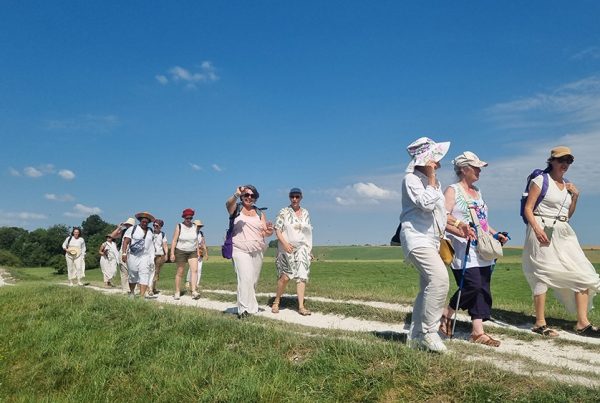
Meet at the gates to St John’s Church on Glastonbury High Street at 11am – £10pp.
RSVP: 07548 936 081
Private walks are available to book at a date and time to suit you – Book.

VISUAL DIARY